HomeMCPWorkbenchSkills
HomeWorkbenchNotificationsMe
llms.txt · MCP GuidePrivacy Policy · Terms of Service · Supportv1.8.3
  1. Home
  2. /Reaction

Sodium Iodide → 2,3-Dicyanonaphthalene

HRID 476831
Print

Reaction equation

HRID 476831 reaction equation
Br[C:2]1[C:3](Br)=[C:4](Br)[C:5](Br)=[C:6]([CH3:9])[C:7]=1[CH3:8].[C:13](#[N:18])/[CH:14]=[CH:15]/[C:16]#[N:17].[I-].[Na+].S([O-])(O)=O.[Na+]>CN(C)C=O>[C:16]([C:15]1[C:14]([C:13]#[N:18])=[CH:8][C:7]2[C:6](=[CH:5][CH:4]=[CH:3][CH:2]=2)[CH:9]=1)#[N:17]
ParticipantsProcedureWorkupSources & evidenceReaction notes

Participants

6

Reactant 4

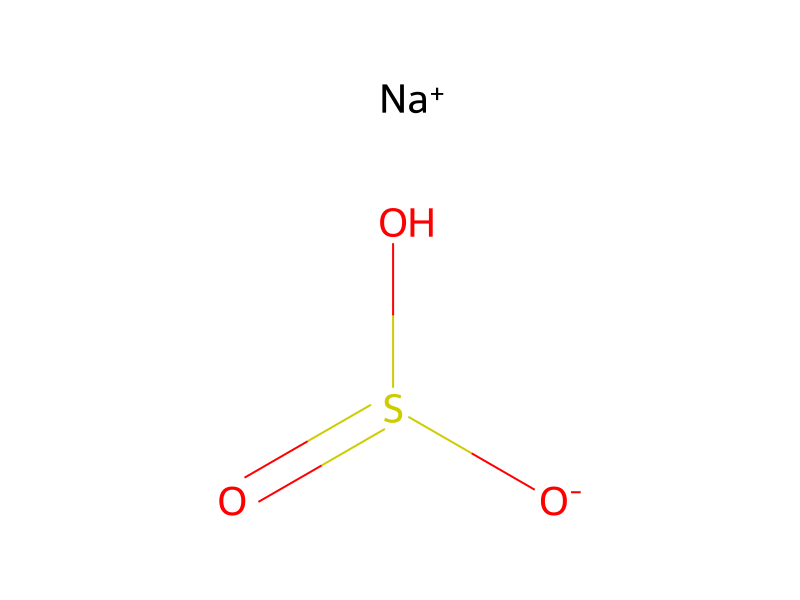
HCID 5238Sodium IodideHCID 177713,4,5,6-Tetrabromo-o-xyleneHCID 637930FumaronitrileHCID 23665763Sodium Bisulfite

Product 1

HCID 6012702,3-DicyanonaphthaleneYield 80%

Reagents, catalysts & solvents 1

HCID 6228
Dimethylformamide
Solvent

Procedure

To 0.1 mol of tetrabromoxylene were added 0.17 mol of fumaronitrile, 0.66 mol of sodium iodide and 400 ml of anhydrous dimethylformamide, and the mixture was stirred under heating at 70° to 80° C. for 7 hours. The reaction mixture was added to 800 g of ice-water, and to the resultant precipitate was added about 15 g of sodium hydrogen sulfite and the mixture was left to stand overnight. Subsequently, the mixture was filtered and dried, followed by recrystallization from chloroform/ethanol, to give white 2,3-dicyanonaphthalene. The yield was 80%.

Workup

  1. temperatureunder heating at 70° to 80° C. for 7 hours
  2. waitthe mixture was left
  3. filtrationSubsequently, the mixture was filtered
  4. customdried
  5. customfollowed by recrystallization from chloroform/ethanol

Sources & evidence

ORD record
ord-1eb695f3a2a048318e8379ef2fd4ce61
Source dataset
uspto-grants-1989_12
DOI
10.6084/m9.figshare.5104873.v1
Patent number
US04886721

Reaction notes

On this pageParticipantsProcedureWorkupSources & evidenceReaction notes