Reaction equation

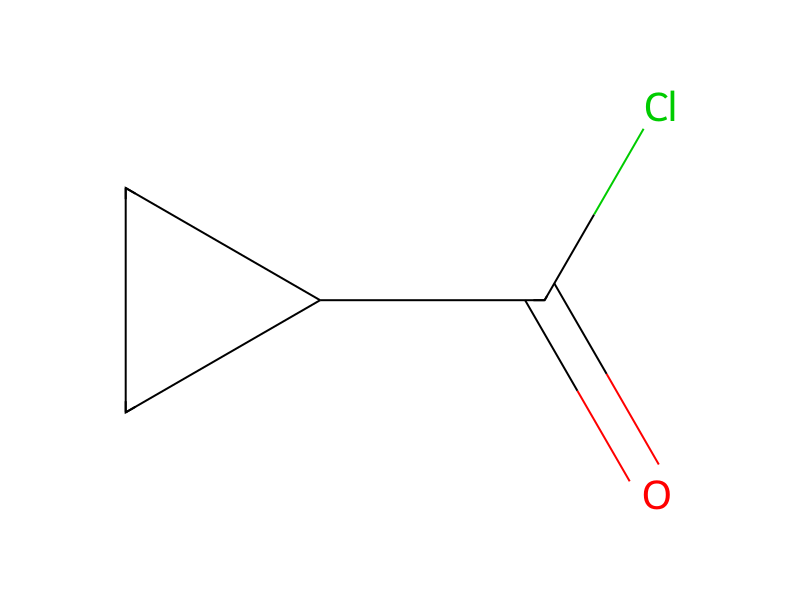
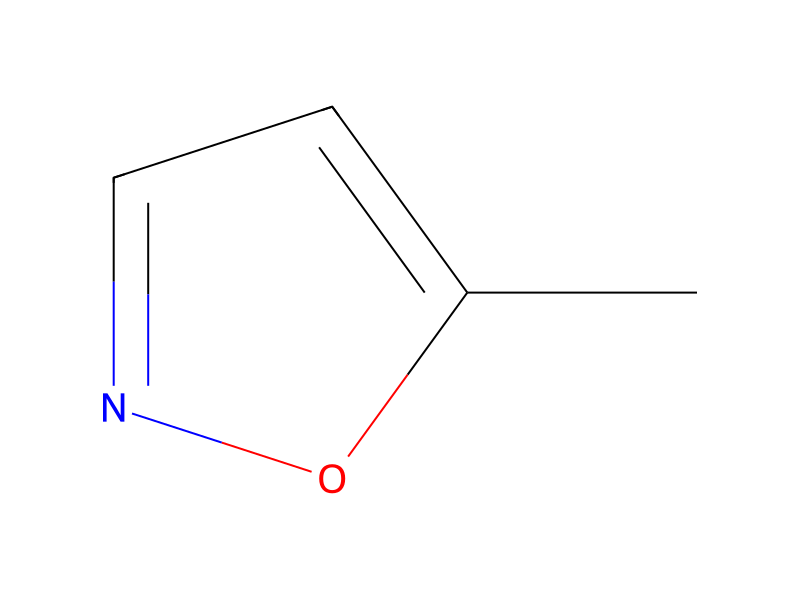
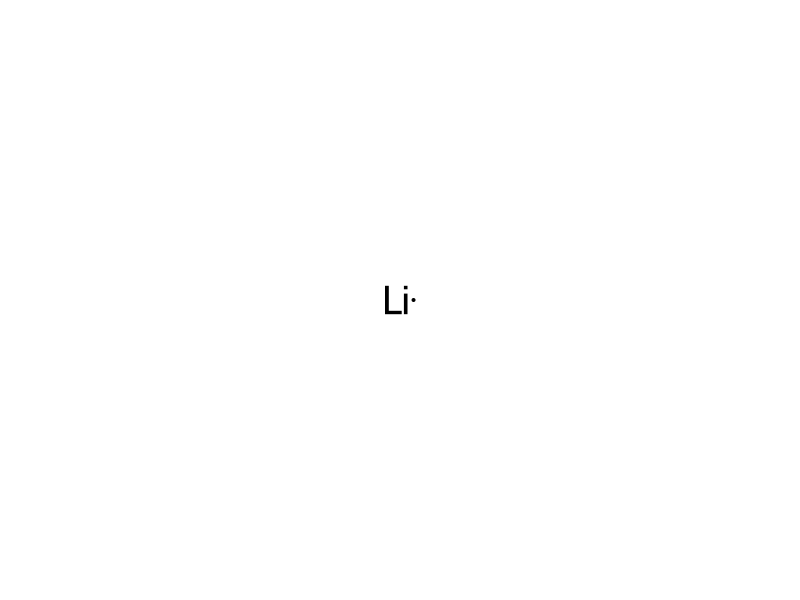
C([Li])CCC.[CH3:6][C:7]1[O:11][N:10]=[CH:9][CH:8]=1.[Li].[Li+].CC([N-]C(C)C)C.[CH:21]1([C:24](Cl)=[O:25])[CH2:23][CH2:22]1>CCCCCC.C1COCC1>[C:7]([CH:8]([C:24]([CH:21]1[CH2:23][CH2:22]1)=[O:25])[C:9]#[N:10])(=[O:11])[CH3:6]Participants
Reactant 5


Product 1

Reagents, catalysts & solvents 2


Conditions
- Temperature
- -78 °C
Procedure
n-Buyllithium (19.44 ml, 52.5 mmole of a 2.7 M solution in hexane) was added at -15° C. to a solution of diisopropylalmine (5.31g, 52.5 mmole) in 80 ml of dry THF. After 10 min the cooling bath was lowered to -70° C. and 5-methylisoxazole (4.15 g, 50 mmoles) was added to the lithium diidopropylalmine (LDA) solution followed in 30 min by the dropwise addition of cyclopropanecarboxylic acid chloride (5.33 g, 50 mmoles) in 15 ml of THF. The reaction mixture was then stirred at -78° C. for 30 min and at ambient temperature for 2 h. The solvents were evaporated and the residue was partitioned between ether, 30 ml of water and 13 ml of 4 N NaOH. The aqueous layer was separated, acidified with 6 N HCl and extracted with two portions of ether. The extracts were dried and evaporated to a slushy solid that was cchromatographed on 100 g of silica gel using methylene chloride-Skellysolve B (95:5). The appropriate fractions were combined and concentrated to yield 2.26 g of the title compound as a yellow-tinted solid, mp 62°-63.5° C.
Workup
- customThe solvents were evaporated
- customthe residue was partitioned between ether, 30 ml of water and 13 ml of 4 N NaOH
- customThe aqueous layer was separated
- extractionextracted with two portions of ether
- customThe extracts were dried
- customevaporated to a slushy solid
- concentrationconcentrated
Sources & evidence
- ORD record
- ord-09ac9aefe91141aa93355a3918e89440
- Source dataset
- uspto-grants-1989_12
- Patent number
- US04888357
Linked notes
Loading…