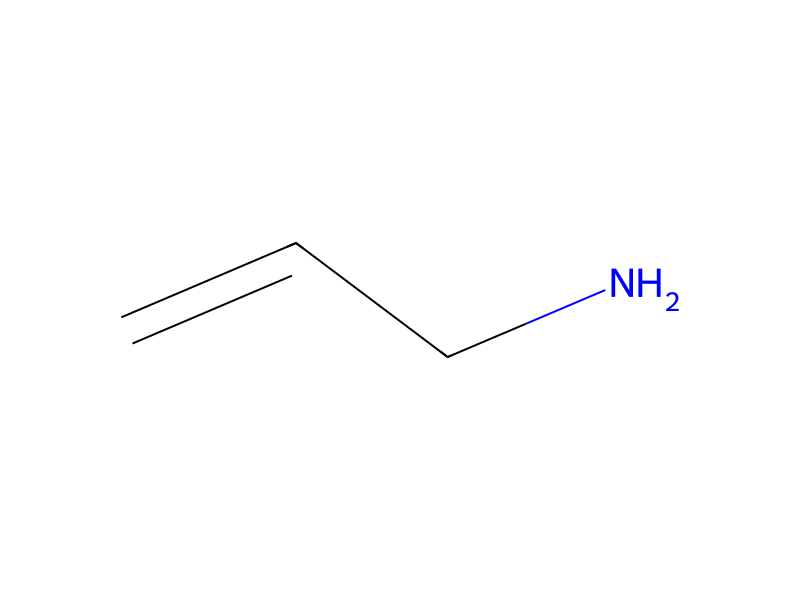
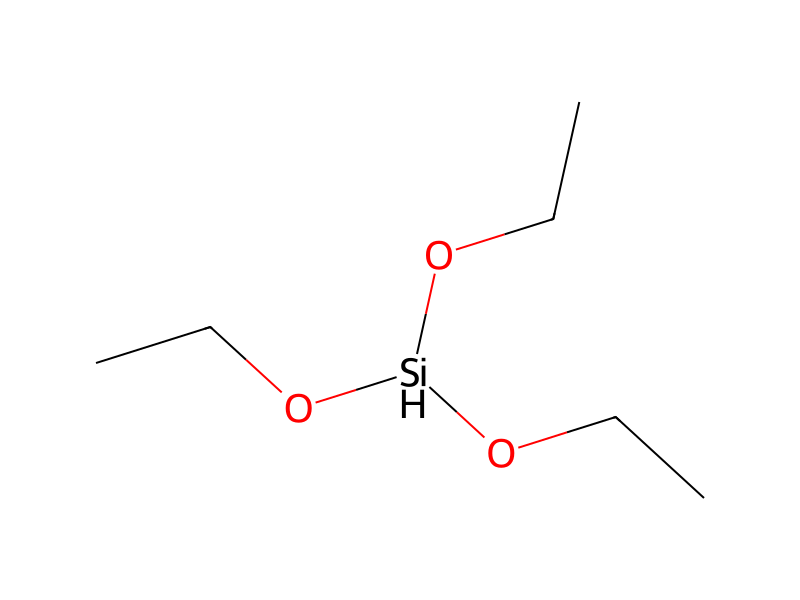
[CH2:1]([NH2:4])[CH:2]=[CH2:3].[CH2:5]([O:7][SiH:8]([O:12][CH2:13][CH3:14])[O:9][CH2:10][CH3:11])[CH3:6].[C:15]1([CH3:22])C(C)=CC=C[CH:20]=1>[C-]#[O+].[C-]#[O+].[C-]#[O+].[C-]#[O+].[C-]#[O+].[C-]#[O+].[C-]#[O+].[C-]#[O+].[C-]#[O+].[C-]#[O+].[C-]#[O+].[C-]#[O+].[Rh].[Rh].[Rh].[Rh]>[CH2:1]([NH2:4])[CH:2]=[CH2:3].[NH2:4][CH:15]([CH3:22])[CH2:20][Si:8]([O:12][CH2:13][CH3:14])([O:9][CH2:10][CH3:11])[O:7][CH2:5][CH3:6]A 200 ml. flask equipped with a stirrer, thermometer, dropping funnel, CO inlet tube and reflux condenser having a CO outlet tube, was flushed with carbon monoxide, charged with 1.9 milligrams of tetrarhodium dodecacarbonyl (2.5×10⁻⁶ mole), 14 grams of allylamine (0.25 mole) and 60 ml. of xylene, and heated in an oil bath maintained at a temperature of 110° C. Thereafter, 41 grams of triethoxy silane (0.25 mole) was dropwise added to the mixture from the dropping funnel over 30 minutes. The reaction was continued at a temperature of 110° C. for 2 hours under stirring and CO flush. It was revealed by gas chromatography that gamma-aminopropyl triethoxy silane was obtained in a yield of 58% on an allylamine basis, while the yield of beta-aminopropyl triethoxy silane was 4.9% on an allylamine basis.