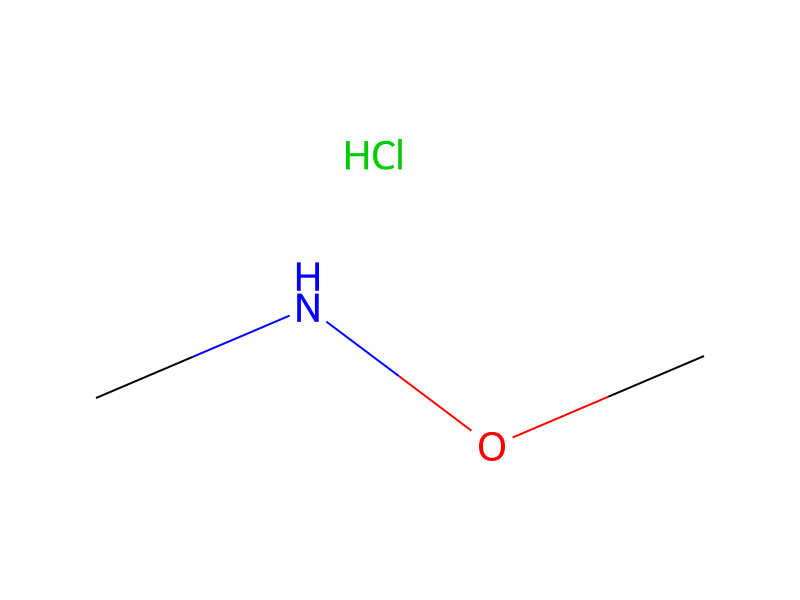
To a solution of 3-(4-chlorophenyl)-2-phenylpropionic acid (Step B, 14 g, 55 mmol) in CH2Cl2 (125 mL) at 0° C. was added dimethyl formamide (50 μL) and oxalyl chloride (14 g, 0.11 mol) dropwise. The reaction was allowed to warm to room temperature overnight and concentrated to dryness to give the crude acyl chloride, which was used without further purification. Thus, to a solution of the acyl chloride in CH2Cl2 (250 mL) was added N-methoxy-N-methylamine hydrochloride (11 g, 0.11 mol) and triethyl amine (dried over activated molecular sieves, 30 mL, 0.22 mol) at 0° C. After stirring at room temperature for 4 h, the reaction mixture was diluted with ether (500 mL) and successively washed with water, dilute aqueous sodium hydrogen sulfate and brine, dried over anhydrous MgSO4, filtered, and concentrated to dryness to give the crude product, which was used without further purification. 1H NMR (500 MHz, CD3OD): δ 7.4-7.1 (m, 9H), 4.38 (br, 1H), 3.48 (s, 3H), 3.35 (dd, 1H), 3.10 (s, 3H), 2.92 (dd, 1H); LC-MS: m/e 304 (3.6 min).