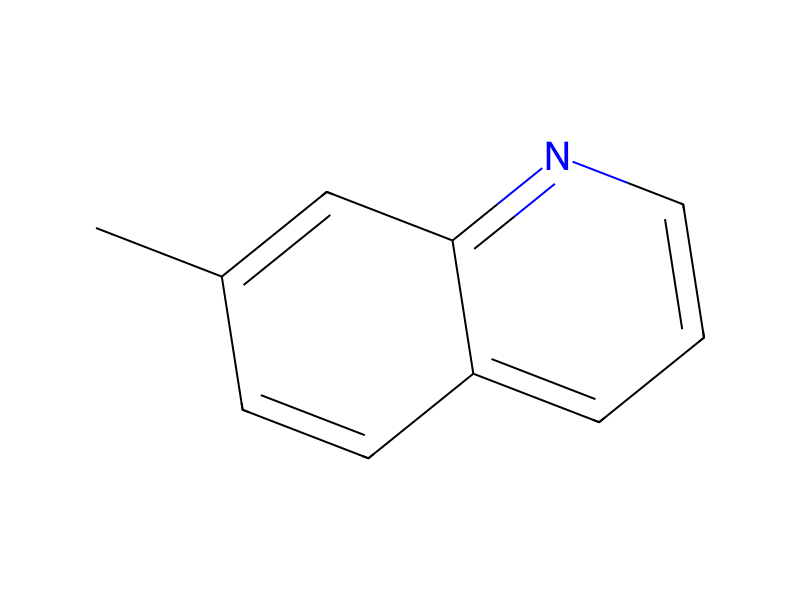
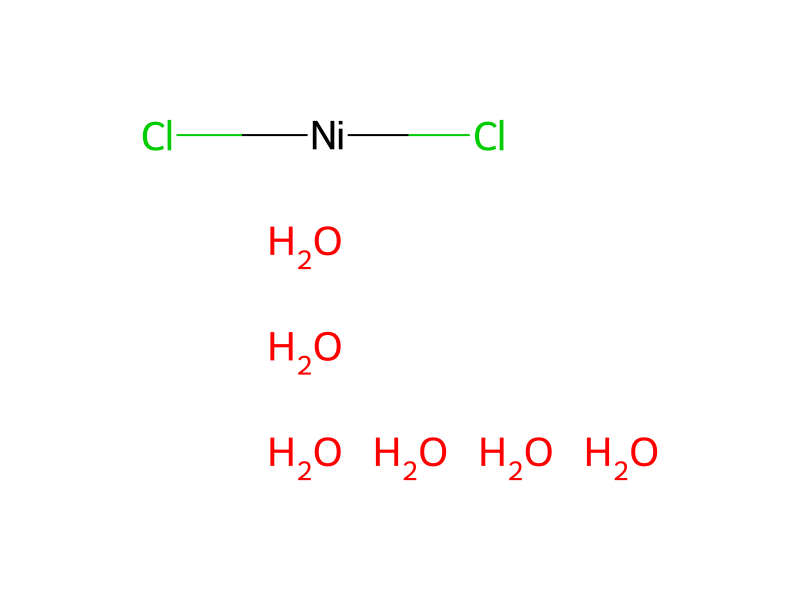
To a cooled solution of 7-methyl quinoline (5.00 g, 35 mmol) and nickel (II) chloride hexahydrate (1.40 g, 6 mmol) in methanol (130 mL) was added sodium borohydride (5.50 g, 140 mmol) portionwise. The reaction mixture was stirred at 0° C. for 1 hour and then at room temperature for 3 hours. Hydrochloric acid (2N, 200 mL) was added to the black residue and the mixture stirred at room temperature until disappearance of the black precipitate. The acidic solution was neutralized with concentrated ammonium hydroxide and extracted with ether. The organic layer was washed with brine and dried over anhydrous magnesium sulfate, filtered and evaporated to give 5.28 g of 7-methyl-1,2,3,4-tetrahydro-quinoline (100%), used without further purification. A mixture of 7-methyl-1,2,3,4-tetrahydro-quinoline (1.20 g, 8.2 mmol), potassium carbonate (2.3 g, 16.4 mmol) and isopropyl iodide (3.3 mL, 32.8 mmol) in N,N-dimethylformamide (10 mL) was heated at 60° C. with stirring for 24 hours. The solution was cooled to room temperature and washed successively with water and brine, dried over anhydrous magnesium sulfate, filtered and evaporated to give 1.28 g (82%) of 1-isopropyl-7-methyl-1,2,3,4-tetrahydro-quinoline. To a solution of 1-isopropyl-7-methyl-1,2,3,4-tetrahydro-quinoline (1.04 g, 5.5 mmol) in dichloromethane was added tetrabutylammonium tribromide (2.65 g, 5.5 mmol) and the solution stirred at room temperature for 5 hours. The solution was washed successively with water and brine, dried over anhydrous magnesium sulfate, filtered and evaporated. The residue was chromatographed and silica gel (ethyl acetate/hexane, 1:9) to give 1.00 g of 6-bromo-1-isopropyl-7-methyl-1,2,3,4-tetrahydro-quinoline (67%).