HomeMCPSkillsWorkbenchOpenChem
HomeWorkbenchNotificationsMe
llms.txt · skill.md · MCP GuidePrivacy Policy · Terms of Service · Supportv1.8.4
  1. Home
  2. /Reaction

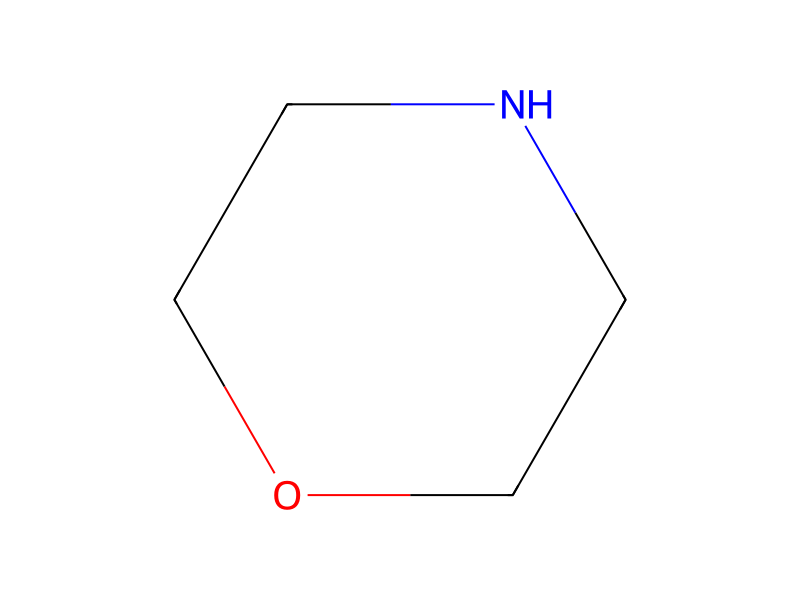
Morpholine → N-[4-(2-Methyl-4-nitrophenoxy)-2-pyridinyl]-4-morpholinecarboxamide

HRID 492688
Print

Reaction equation

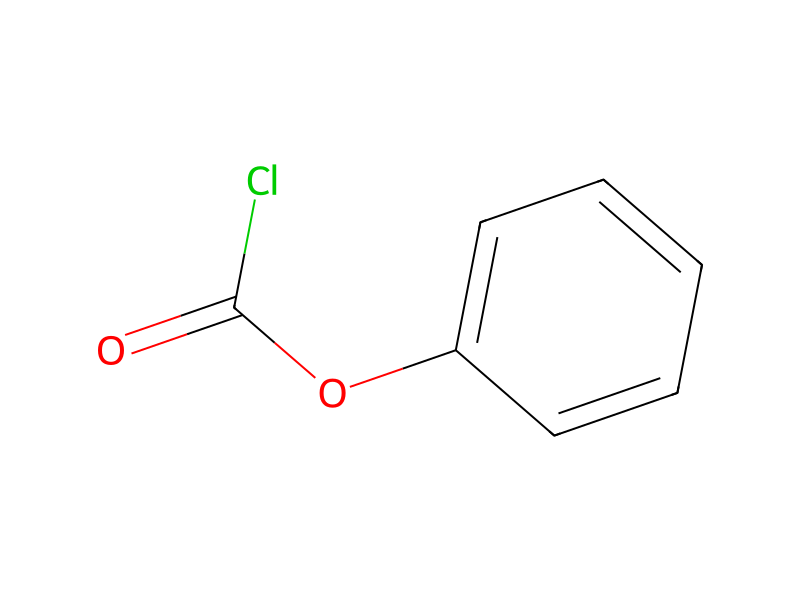
[CH3:1][C:2]1[CH:15]=[C:14]([N+:16]([O-:18])=[O:17])[CH:13]=[CH:12][C:3]=1[O:4][C:5]1[CH:10]=[CH:9][N:8]=[C:7]([NH2:11])[CH:6]=1.C(N(CC)CC)C.Cl[C:27](OC1C=CC=CC=1)=[O:28].[NH:36]1[CH2:41][CH2:40][O:39][CH2:38][CH2:37]1>O1CCCC1.CN(C)C=O>[CH3:1][C:2]1[CH:15]=[C:14]([N+:16]([O-:18])=[O:17])[CH:13]=[CH:12][C:3]=1[O:4][C:5]1[CH:10]=[CH:9][N:8]=[C:7]([NH:11][C:27]([N:36]2[CH2:41][CH2:40][O:39][CH2:38][CH2:37]2)=[O:28])[CH:6]=1
ParticipantsProcedureWorkupSources & evidenceReaction notes

Participants

7

Reactant 4

HCID 8083MorpholineHCID 8471TriethylamineHCID 15891Phenyl chloroformate2×HCID 231530654-(2-Methyl-4-nitrophenoxy)pyridin-2-amine

Product 1

HCID 57677327N-[4-(2-Methyl-4-nitrophenoxy)-2-pyridinyl]-4-morpholinecarboxamideYield 52.8%

Reagents, catalysts & solvents 2

HCID 6228DimethylformamideSolvent
HCID 8028TetrahydrofuranSolvent

Procedure

To a solution of 4-(2-methyl-4-nitrophenoxy)pyridin-2-ylamine (1.00 g, 4.08 mmol) in tetrahydrofuran (50 ml) was added triethylamine (1.14 ml, 8.16 mmol), and then phenyl chloroformate (0.768 ml) was added dropwise thereto while stirring in an ice bath, followed by stirring for 1 hr. Phenyl chloroformate (0.252 ml) was further added thereto while stirring in an ice bath, followed by stirring for 30 min. The reaction mixture was concentrated under a reduced pressure to give a residue, to which N,N-dimethylformamide (18.9 ml) and morpholine (1.42 ml) were added, followed by stirring at room temperature for 5 hrs. The reaction mixture was partitioned between ethyl acetate:tetrahydrofuran=1:1 (150 ml) and water (100 ml). The aqueous layer was extracted with ethyl acetate:tetrahydrofuran=1:1. The combined organic layer was washed with brine, and dried over anhydrous sodium sulfate. The solvent was evaporated to give a residue, which was then purified by silica gel column chromatography (Fuji Silysia NH, eluent; hexane:ethyl acetate=2:1 to 1:1, then ethyl acetate). The crude fraction was concentrated to give a residue, which was purified again by silica gel column chromatography (eluent; hexane:ethyl acetate=1:1, ethyl acetate, and then ethyl acetate:methanol=10:1) to provide the titled compound (772 mg, 52.8%) as a colorless solid.

Workup

  1. stirringby stirring for 1 hr
  2. stirringwhile stirring in an ice bath
  3. stirringby stirring for 30 min
  4. concentrationThe reaction mixture was concentrated under a reduced pressure
  5. customto give a residue
  6. stirringby stirring at room temperature for 5 hrs
  7. customThe reaction mixture was partitioned between ethyl acetate
  8. extractionThe aqueous layer was extracted with ethyl acetate
  9. washThe combined organic layer was washed with brine
  10. dry with materialdried over anhydrous sodium sulfate
  11. customThe solvent was evaporated
  12. customto give a residue, which
  13. customwas then purified by silica gel column chromatography (Fuji Silysia NH, eluent
  14. concentrationThe crude fraction was concentrated
  15. customto give a residue, which
  16. customwas purified again by silica gel column chromatography (eluent

Sources & evidence

ORD record
ord-7edccb06253b49e19f839ef01b565b3f
Source dataset
uspto-grants-2009_05
DOI
10.6084/m9.figshare.5104873.v1
Patent number
US07531532B2

Reaction notes

On this pageParticipantsProcedureWorkupSources & evidenceReaction notes