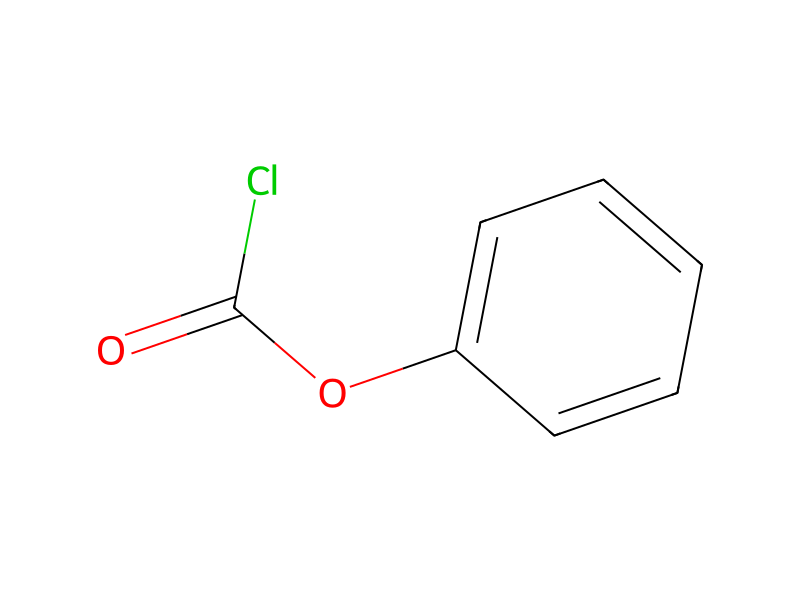
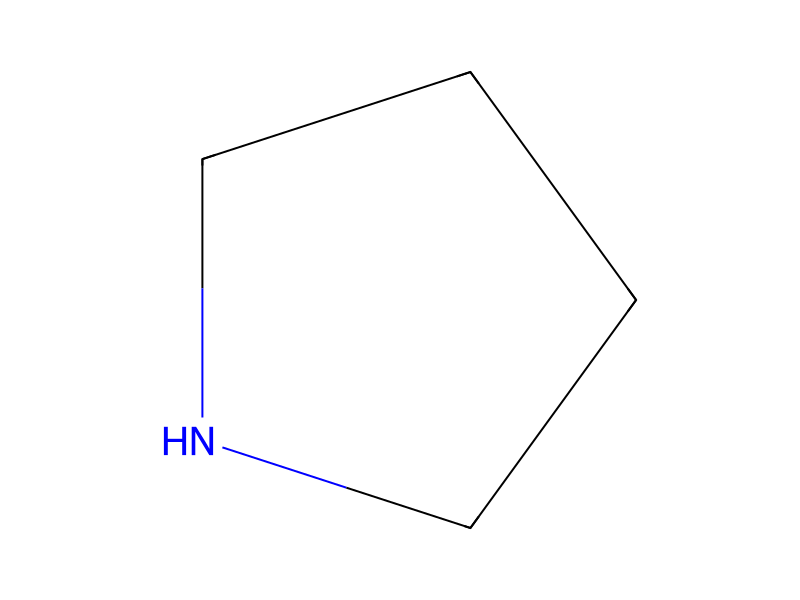
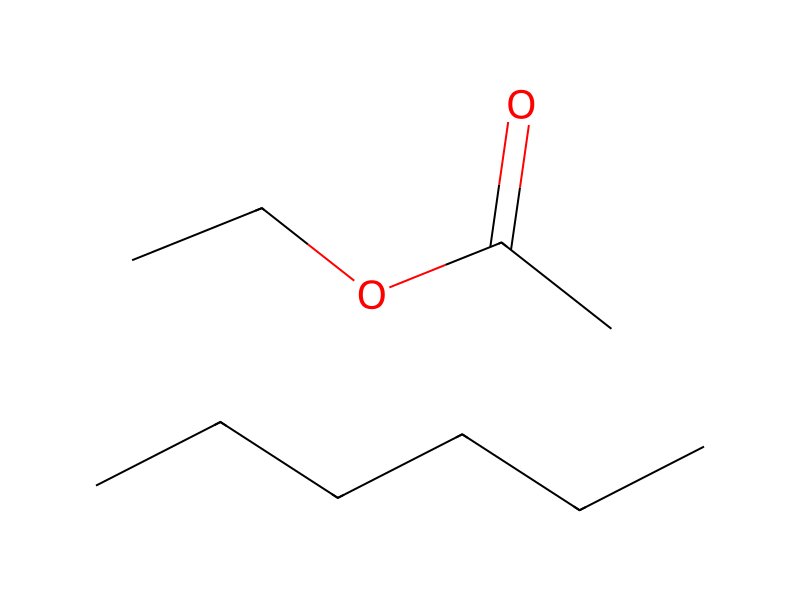
[NH2:1][C:2]1[CH:7]=[C:6]([O:8][C:9]2[CH:14]=[CH:13][C:12]([NH2:15])=[C:11]([Cl:16])[CH:10]=2)[CH:5]=[CH:4][N:3]=1.[CH2:17]([N:19]([CH2:22][CH3:23])[CH2:20]C)[CH3:18].ClC(OC1C=CC=CC=1)=[O:26].N1CCCC1>O1CCCC1.CCCCCC.C(OCC)(=O)C>[NH2:15][C:12]1[CH:13]=[CH:14][C:9]([O:8][C:6]2[CH:5]=[CH:4][N:3]=[C:2]([NH:1][C:20]([N:19]3[CH2:22][CH2:23][CH2:18][CH2:17]3)=[O:26])[CH:7]=2)=[CH:10][C:11]=1[Cl:16]2-Amino-4-(4-amino-3-chlorophenoxy)pyridine (471 mg) as disclosed in WO 02/32872 was dissolved in tetrahydrofuran (10 ml) under a nitrogen atmosphere, and then triethylamine (0.348 ml) and phenyl chloroformate (0.313 ml) were added dropwise thereto while cooling in an ice bath, followed by raising the temperature gradually to room temperature and stirring overnight. To the reaction mixture was added pyrrolidine (2 ml), followed by further stirring for 1 day. The reaction mixture was partitioned between ethyl acetate and water. The organic layer was washed with brine, and dried over anhydrous sodium sulfate. The solvent was evaporated to give a residue, which was then purified by silica gel column chromatography (eluent; ethyl acetate). Fractions containing the target compound were concentrated to give a residue, to which hexane-ethyl acetate (5:1) was added to precipitate crystals. The crystals were filtered off, and dried under aeration to provide the titled compound (232 mg, 35%) as white crystals.