HomeMCPWorkbenchSkills
HomeWorkbenchNotificationsMe
llms.txt · MCP GuidePrivacy Policy · Terms of Service · Supportv1.8.0
  1. Home
  2. /Reaction

Sodium Hydroxide → 4-(1-Methyl-azetidin-3-yl)piperazine-1-carboxylic acid [4-(2-fluoro-4nitrophenoxy)pyridin-2-yl]amide

HRID 492970
Notes
Print preview

Reaction equation

HRID 492970 reaction equation
[F:1][C:2]1[CH:15]=[C:14]([N+:16]([O-:18])=[O:17])[CH:13]=[CH:12][C:3]=1[O:4][C:5]1[CH:10]=[CH:9][N:8]=[C:7]([NH2:11])[CH:6]=1.Cl[C:20](OC1C=CC=CC=1)=[O:21].Cl.Cl.Cl.[CH3:32][N:33]1[CH2:36][CH:35]([N:37]2[CH2:42][CH2:41][NH:40][CH2:39][CH2:38]2)[CH2:34]1.[OH-].[Na+]>O1CCCC1.O.C(N(CC)CC)C.CN(C)C=O>[F:1][C:2]1[CH:15]=[C:14]([N+:16]([O-:18])=[O:17])[CH:13]=[CH:12][C:3]=1[O:4][C:5]1[CH:10]=[CH:9][N:8]=[C:7]([NH:11][C:20]([N:40]2[CH2:41][CH2:42][N:37]([CH:35]3[CH2:34][N:33]([CH3:32])[CH2:36]3)[CH2:38][CH2:39]2)=[O:21])[CH:6]=1
ParticipantsProcedureWorkupSources & evidenceReaction notes

Participants

9

Reactant 4

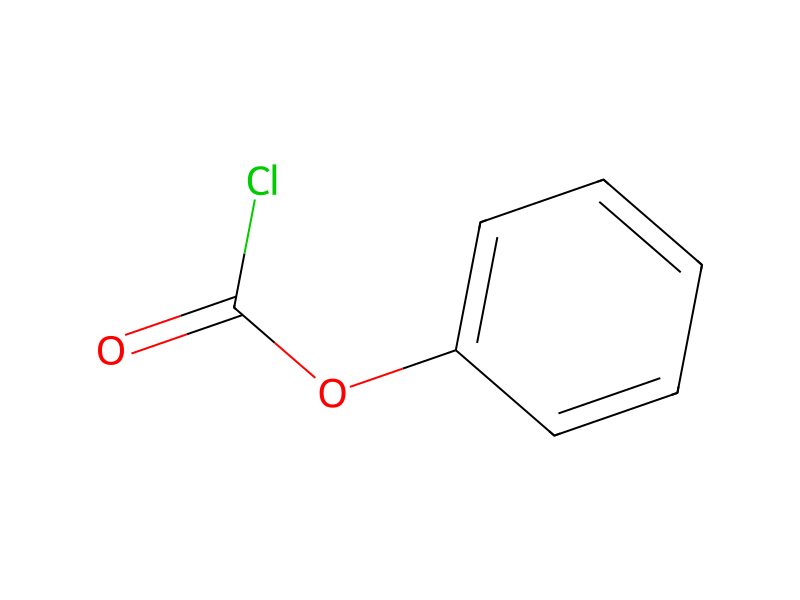
HCID 14798Sodium HydroxideHCID 15891Phenyl chloroformateHCID 231531982-Amino-4-(2-fluoro-4-nitrophenoxy)pyridineHCID 231534121-(1-Methylazetidin-3-yl)piperazine trihydrochloride

Product 1

HCID 576774134-(1-Methyl-azetidin-3-yl)piperazine-1-carboxylic acid [4-(2-fluoro-4nitrophenoxy)pyridin-2-yl]amideYield 92.6%

Reagents, catalysts & solvents 4

HCID 962WaterSolventHCID 6228DimethylformamideSolventHCID 8028TetrahydrofuranSolventHCID 8471TriethylamineSolvent2×

Procedure

To a solution of 4-(2-fluoro-4-nitrophenoxy)pyridin-2-ylamine (70.0 mg) in tetrahydrofuran (3.5 ml) were added triethylamine (0.0862 ml) and phenyl chloroformate (0.0705 ml) in this order at room temperature, followed by stirring at room temperature for 30 min. The reaction mixture was concentrated to give a residue, to which were added N,N-dimethylformamide (2.5 ml), triethylamine (0.470 ml), 1-(1-methylazetidin-3-yl)piperazine trihydrochloride (329 mg) and water (0.025 ml), followed by stirring at room temperature for 2 days. An 1N aqueous solution of sodium hydroxide (30 ml) was added thereto, followed by stirring at room temperature for 5 hrs. The reaction mixture was extracted with ethyl acetate (100 ml). The aqueous layer was extracted with ethyl acetate. The combined organic layer was washed with brine, and dried over anhydrous sodium sulfate. The organic layer was concentrated to give a residue, which was then purified by silica gel column chromatography (FUJI Silysia NH, eluent; ethyl acetate, then ethyl acetate:methanol=20:1). Fractions containing the target compound were concentrated to provide the titled compound (121 mg, 92.6%) as a pale yellow oil.

Workup

  1. concentrationThe reaction mixture was concentrated
  2. customto give a residue
  3. stirringby stirring at room temperature for 2 days
  4. stirringby stirring at room temperature for 5 hrs
  5. extractionThe reaction mixture was extracted with ethyl acetate (100 ml)
  6. extractionThe aqueous layer was extracted with ethyl acetate
  7. washThe combined organic layer was washed with brine
  8. dry with materialdried over anhydrous sodium sulfate
  9. concentrationThe organic layer was concentrated
  10. customto give a residue, which
  11. customwas then purified by silica gel column chromatography (FUJI Silysia NH, eluent
  12. additionFractions containing the target compound
  13. concentrationwere concentrated

Sources & evidence

ORD record
ord-f9b2fc507c5441f8a9d7bbd0b187e860
Source dataset
uspto-grants-2009_05
DOI
10.6084/m9.figshare.5104873.v1
Patent number
US07531532B2

Reaction notes

Loading…

On this pageParticipantsProcedureWorkupSources & evidenceReaction notes