Reaction equation

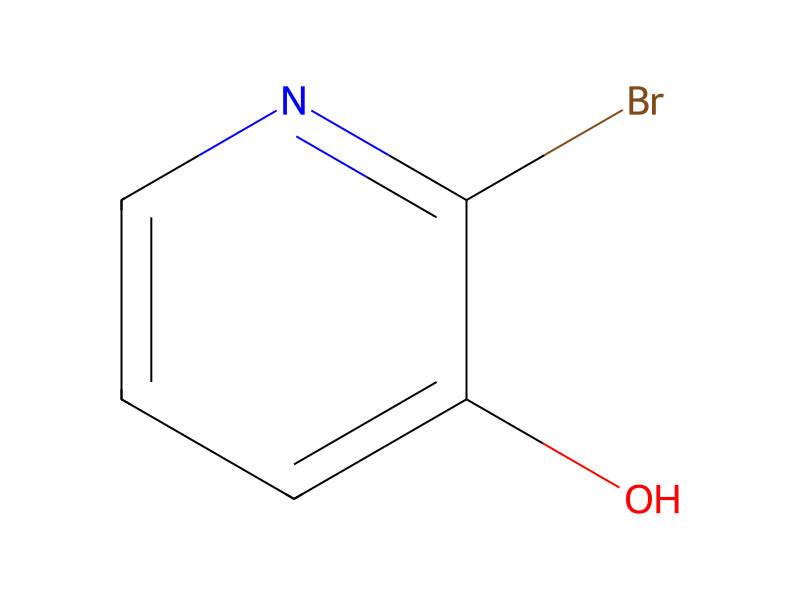
[H-].[Na+].[Br:3][C:4]1[C:9]([OH:10])=[CH:8][CH:7]=[CH:6][N:5]=1.Br[CH:12]1[CH2:17][CH2:16][CH2:15][CH2:14][CH2:13]1.O>CN(C)C=O>[Br:3][C:4]1[C:9]([O:10][CH:12]2[CH2:17][CH2:16][CH2:15][CH2:14][CH2:13]2)=[CH:8][CH:7]=[CH:6][N:5]=1Participants
6
Reactant 4



Product 1

Reagents, catalysts & solvents 1

Procedure
Sodium hydride (160 mg) was dissolved in dimethylformamide (5 ml) and 2-bromo-3-pyridinol (500 mg) dissolved in dimethylformamide is slowly added dropwise. Then, bromocyclohexane (0.7 ml) was added to the solution and reacted for 5 hours at room temperature. Water was added to the suspension to dilute and extracted with ethyl acetate to separate an organic layer. The separated organic layer was dried with anhydrous magnesium sulfate and distilled under reduced pressure. As a result, 2-bromo-3-cyclohexyloxy pyridine (220 mg, yield: 30%) was obtained as an oil phase.
Workup
- additionis slowly added dropwise
- customreacted for 5 hours at room temperature
- additionto dilute
- extractionextracted with ethyl acetate
- customto separate an organic layer
- dry with materialThe separated organic layer was dried with anhydrous magnesium sulfate
- distillationdistilled under reduced pressure
Sources & evidence
- ORD record
- ord-048d469ce30545f59c35fb3fe46cfc7d
- Source dataset
- uspto-grants-2005_09
- Patent number
- US06946558B2
Linked notes
Loading…