Reaction equation

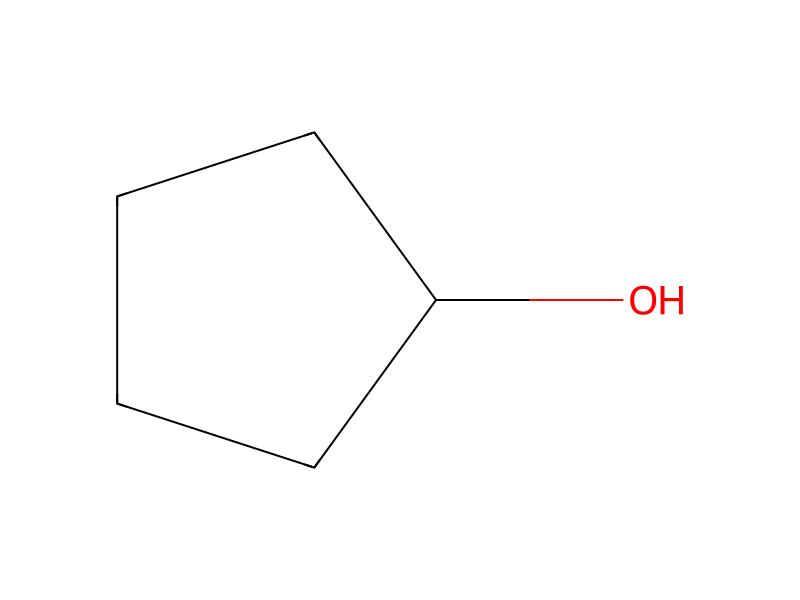
[C:1]([O:5][C:6]([NH:8][C:9]1[CH:19]=[CH:18][C:12]([C:13]([O:15][CH2:16][CH3:17])=[O:14])=[C:11]([OH:20])[CH:10]=1)=[O:7])([CH3:4])([CH3:3])[CH3:2].[CH:21]1(O)[CH2:25][CH2:24][CH2:23][CH2:22]1.N(C(OCC)=O)=NC(OCC)=O.C1(P(C2C=CC=CC=2)C2C=CC=CC=2)C=CC=CC=1>O1CCCC1>[C:1]([O:5][C:6]([NH:8][C:9]1[CH:19]=[CH:18][C:12]([C:13]([O:15][CH2:16][CH3:17])=[O:14])=[C:11]([O:20][CH:21]2[CH2:25][CH2:24][CH2:23][CH2:22]2)[CH:10]=1)=[O:7])([CH3:2])([CH3:3])[CH3:4]Participants
6
Reactant 4



Product 1

Reagents, catalysts & solvents 1

Procedure
A mixture of 460 mg of ethyl 4-(t-butoxycarbonylamino)-2-hydroxybenzoate, 300 mg of cyclopentanol, 1.5 g of diethyl azodicarboxylate (40% solution in toluene), 900 mg of triphenylphosphine and 10 ml of tetrahydrofuran was stirred at room temperature for 3 days. The solvent was evaporated and the residue was purified by the silica gel chromatography (ethyl acetate/hexane) to obtain crude ethyl 4-(t-butoxycarbonylamino)-2-cyclopentyloxybenzoate. A mixture of this crude product, 20 ml of ethanol and 5 ml of 1 M aqueous sodium hydroxide solution was stirred at room temperature overnight. After the treatment with ethyl acetate as the extracting solvent in an ordinary manner, the title compound was obtained.
Workup
- customThe solvent was evaporated
- customthe residue was purified by the silica gel chromatography (ethyl acetate/hexane)
Sources & evidence
- ORD record
- ord-abec80d2a00946b3ba38919b8e07f98f
- Source dataset
- uspto-grants-2004_03
- Patent number
- US06710056B2
Linked notes
Loading…