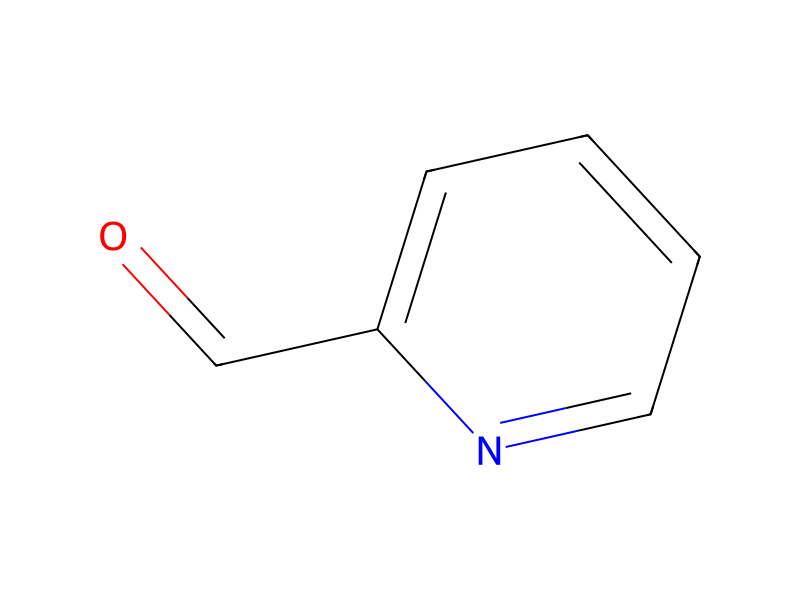
[N:1]1[CH:6]=[CH:5][CH:4]=[CH:3][C:2]=1[CH:7]=O.[CH2:9]([O:11][C:12](=[O:35])[CH2:13][CH2:14][CH2:15][P+](C1C=CC=CC=1)(C1C=CC=CC=1)C1C=CC=CC=1)[CH3:10].C(=O)([O-])[O-].[K+].[K+].C(OCC)(=O)C>O1CCOCC1.O>[N:1]1[CH:6]=[CH:5][CH:4]=[CH:3][C:2]=1[CH:7]=[CH:15][CH2:14][CH2:13][C:12]([O:11][CH2:9][CH3:10])=[O:35]2-Pyridinecarbaldehyde (3.0 g, 28.0 mmol) and (4-ethoxy-4-oxobutyl)triphenylphosphonium (16.7 g, 36.5 mmol) were dissolved in 1,4-dioxane (60 ml), and a solution of potassium carbonate (5.8 g, 42.0 mmol) in water (6 ml) was added thereto. The reaction mixture was refluxed for 18 hrs and combined with ethyl acetate and water. The organic layer was washed with saturated brine and dried over anhydrous magnesium sulfate. The solvent was evaporated, and the residue was subjected to a silica gel (100 g) column chromatography. The fractions eluted with hexane-ethyl acetate (4:1, v/v) were collected and concentrated to give Z-form of the titled compound (2.3 g, 40%). And the fractions eluted with hexane-ethyl acetate (2:1, v/v) were collected and concentrated to give E-form of the titled compound (1.2 g, 21%).