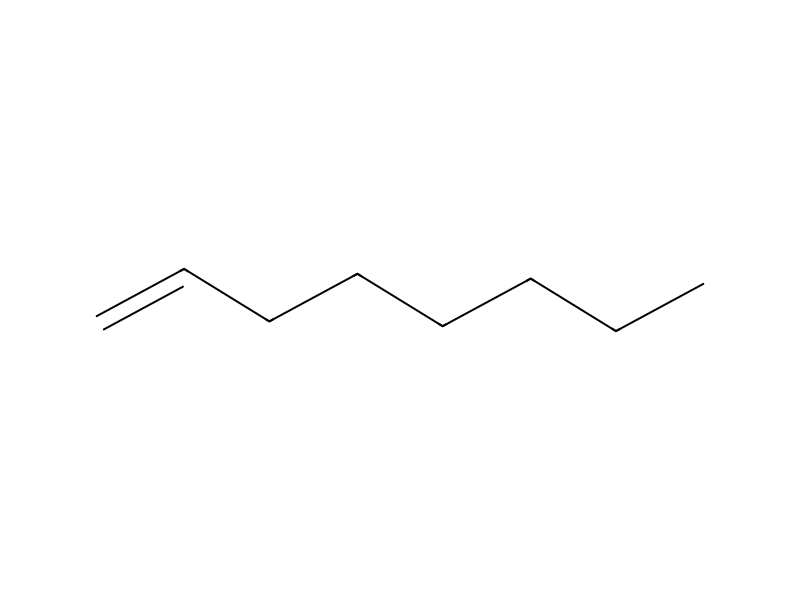
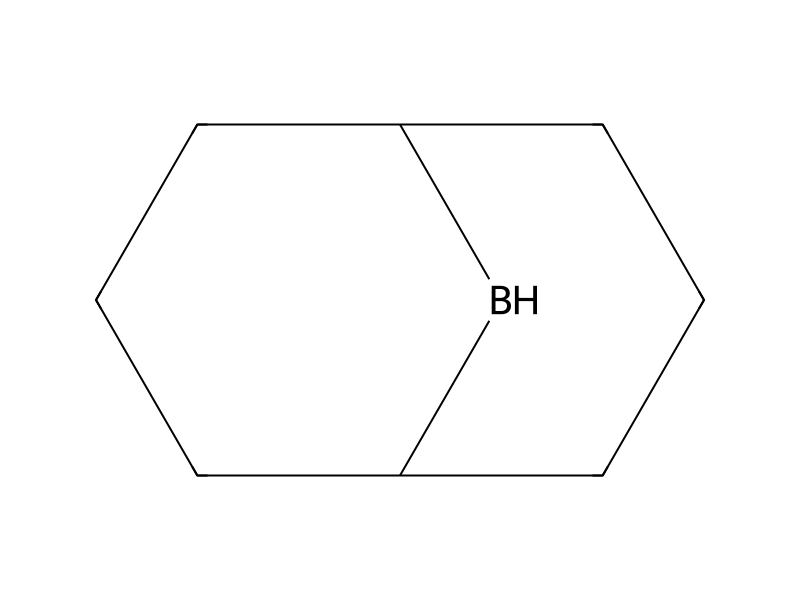
An octyl boronate intermediate is first generated by adding 1-octene (1.38 g, 14.1 mmol) to a solution of 9-BBN in THF (28.3 mL of a 0.5 M solution, 14.1 mmol). The reaction is stirred at room temperature overnight, then an aqueous solution of sodium hydroxide (5.0 mL of a 3.0 M solution) is added, followed by the addition of 6-bromo-2-tetralone (2.40 g, 10.0 mmol) and Pd[P(Ph)3]4 (0.310 g, 0.270 mmol). The reaction is brought to reflux and maintained for 12 hours under an inert atmosphere. The reaction is then cooled, filtered, concentrated in vacuo and the residue purified using silica gel chromatography with hexanes/ethyl acetate (75:25) as solvent to provide 6-octyl-2-tetralone (2.35 g, 8.5 mmol, 85%) as a clear liquid.