HomeMCPWorkbenchSkills
HomeWorkbenchNotificationsMe
llms.txt · MCP GuidePrivacy Policy · Terms of Service · Supportv1.8.0
  1. Home
  2. /Reaction

2-Methyl-2-butanol → N-benzhydrylidene-N'-(3,5-di-tert-butyl-phenyl)-hydrazine

HRID 513853
Notes
Print preview

Reaction equation

HRID 513853 reaction equation
C1(P(C2CCCCC2)C2C=CC=CC=2C2C(C(C)C)=CC(C(C)C)=CC=2C(C)C)CCCCC1.C(O)(CC)(C)C.Br[C:42]1[CH:47]=[C:46]([C:48]([CH3:51])([CH3:50])[CH3:49])[CH:45]=[C:44]([C:52]([CH3:55])([CH3:54])[CH3:53])[CH:43]=1.C[Si]([N-][Si](C)(C)C)(C)C.[Li+].[C:66](=[N:79][NH2:80])([C:73]1[CH:78]=[CH:77][CH:76]=[CH:75][CH:74]=1)[C:67]1[CH:72]=[CH:71][CH:70]=[CH:69][CH:68]=1>COCCOC.C([O-])(=O)C.[Pd+2].C([O-])(=O)C>[C:66](=[N:79][NH:80][C:42]1[CH:47]=[C:46]([C:48]([CH3:51])([CH3:50])[CH3:49])[CH:45]=[C:44]([C:52]([CH3:55])([CH3:54])[CH3:53])[CH:43]=1)([C:73]1[CH:74]=[CH:75][CH:76]=[CH:77][CH:78]=1)[C:67]1[CH:72]=[CH:71][CH:70]=[CH:69][CH:68]=1
ParticipantsConditionsProcedureWorkupSources & evidenceReaction notes

Participants

8

Reactant 5

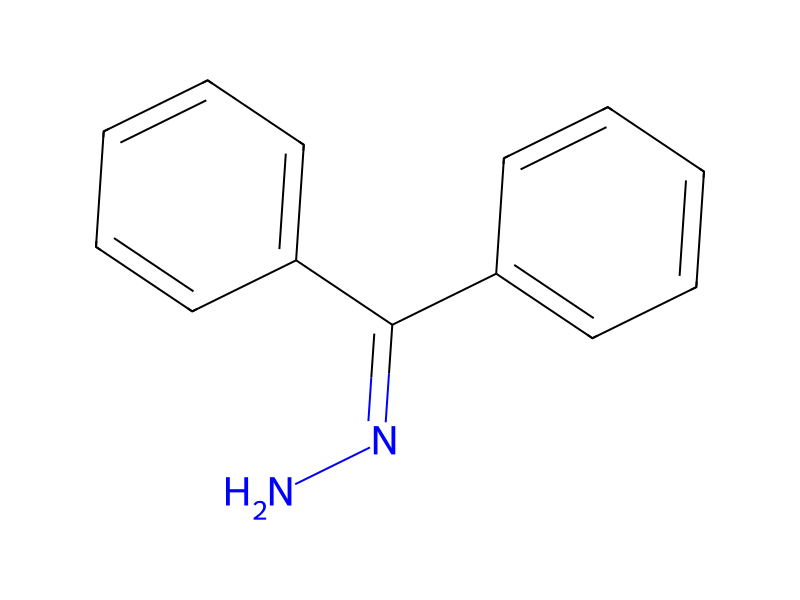
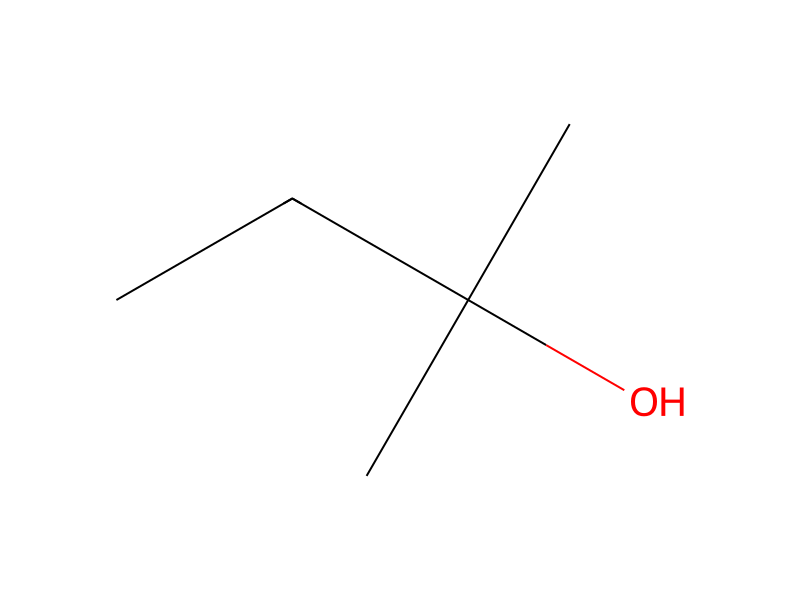
HCID 64052-Methyl-2-butanolHCID 79304DiphenylmethylidenehydrazineHCID 6201361-Bromo-3,5-di-tert-butylbenzeneHCID 2733832Lithium hexamethyldisilazaneHCID 111557942-Dicyclohexylphosphino-2',4',6'-triisoprophylbiphenyl

Product 1

HCID 86669219
N-benzhydrylidene-N'-(3,5-di-tert-butyl-phenyl)-hydrazine

Reagents, catalysts & solvents 2

HCID 167845palladium(II) acetateCatalystHCID 80711,2-DimethoxyethaneSolvent2×

Conditions

Temperature
60 °C

Procedure

Palladium acetate (8.4 mg, 0.037 mmol) and 2-dicyclohexylphosphino-2′,4′,6′-tri-i-propyl-1,1′-biphenyl (X-PHOS) (35.6 mg, 0.074 mmol) were dissolved in tert-amyl alcohol (10 μl, 0.093 mmol) and anhydrous ethylene glycol dimethyl ether (0.25 ml). The mixture was heated and stirred at 60° C. for five minutes under a nitrogen atmosphere to prepare a catalyst. In a separate reaction container under a nitrogen atmosphere, 1-bromo-3,5-di-t-butyl benzene (501 mg, 1.9 mmol), lithium bis(trimethylsilyl) amide (475 mg, 2.8 mmol), and benzophenone hydrazone (401 mg, 2.0 mmol) were dissolved in anhydrous ethylene glycol dimethyl ether (2.5 ml). Then, a solution containing the prepared catalyst was added thereto. After deaeration, this was heated and stirred at 90° C. for two hours under a nitrogen atmosphere. The reaction mixture was cooled to room temperature, and then concentrated under reduced pressure. The resulting residue was purified by silica gel column chromatography (hexane/ethyl acetate=100/5). Thus, N-benzhydrylidene-N′-(3,5-di-tert-butyl-phenyl)-hydrazine was obtained as a yellow amorphous material (699 mg, 97.7%).

Workup

  1. temperatureThe mixture was heated
  2. customto prepare a catalyst
  3. customIn a separate reaction container under a nitrogen atmosphere
  4. additionThen, a solution containing the prepared catalyst
  5. additionwas added
  6. temperatureAfter deaeration, this was heated
  7. stirringstirred at 90° C. for two hours under a nitrogen atmosphere
  8. temperatureThe reaction mixture was cooled to room temperature
  9. concentrationconcentrated under reduced pressure
  10. customThe resulting residue was purified by silica gel column chromatography (hexane/ethyl acetate=100/5)

Sources & evidence

ORD record
ord-ba92a1c034b5427fb5be92a2d8cced97
Source dataset
uspto-grants-2015_08
DOI
10.6084/m9.figshare.5104873.v1
Patent number
US09102692B2

Reaction notes

Loading…

On this pageParticipantsConditionsProcedureWorkupSources & evidenceReaction notes