Reaction equation

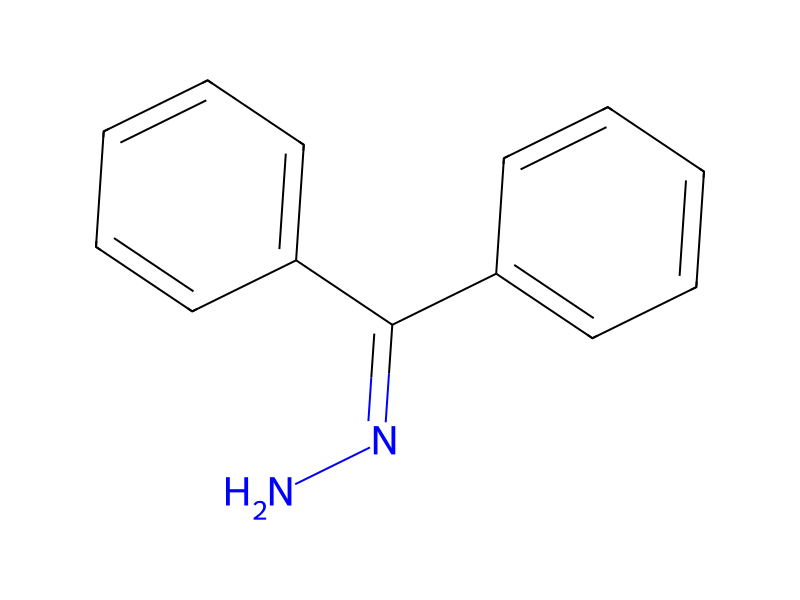
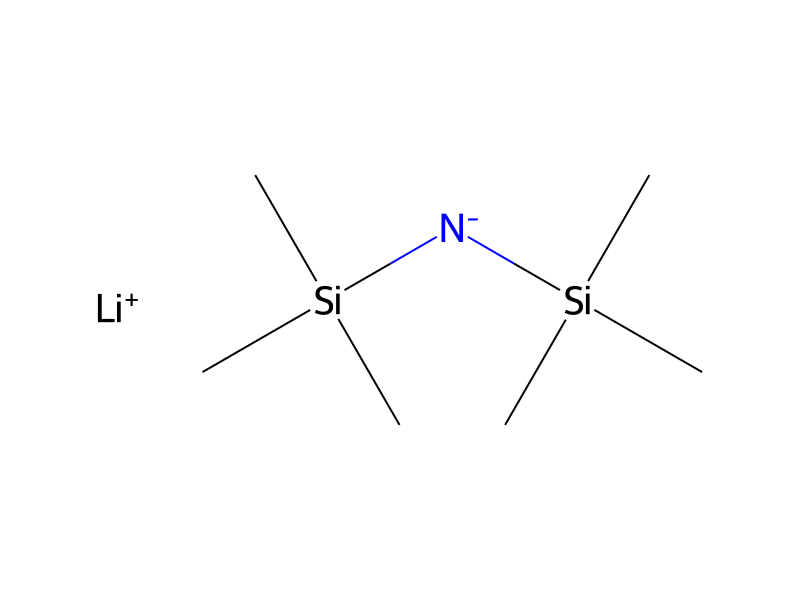
[F:1][C:2]1[C:7]2[N:8]=[C:9]([CH3:11])[NH:10][C:6]=2[CH:5]=[C:4]([NH2:12])[CH:3]=1.C[Si]([N-][Si](C)(C)C)(C)C.[Li+].[C:23](=[N:36]N)([C:30]1[CH:35]=[CH:34][CH:33]=[CH:32][CH:31]=1)[C:24]1[CH:29]=[CH:28][CH:27]=[CH:26][CH:25]=1.Cl>CN1CCOCC1>[C:23](=[N:36][NH:12][C:4]1[CH:3]=[C:2]([F:1])[C:7]2[NH:8][C:9]([CH3:11])=[N:10][C:6]=2[CH:5]=1)([C:30]1[CH:31]=[CH:32][CH:33]=[CH:34][CH:35]=1)[C:24]1[CH:29]=[CH:28][CH:27]=[CH:26][CH:25]=1Participants




Conditions
- Temperature
- 100 °C
Procedure
In a separate reaction container, 7-fluoro-2-methyl-3H-benzimidazol-5-yl amine (100 mg, 0.44 mmol), lithium bis(trimethylsilyl) amide (190 mg, 1.1 mmol), and benzophenone hydrazone (94.3 mg, 0.48 mmol) were dissolved in N-methyl-morpholine (0.5 ml) under a nitrogen atmosphere. Then, the prepared solution containing the catalyst was added thereto. After deaeration, this was heated and stirred at 100° C. under a nitrogen atmosphere for two hours. The reaction mixture was cooled to room temperature, and then an aqueous solution of 6 M hydrochloric acid (0.5 ml) was added thereto. The organic layer was isolated, and concentrated under reduced pressure. Thus, crude N-benzhydrylidene-N′-(7-fluoro-2-methyl-1H-benzimidazol-5-yl)-hydrazine was obtained. The obtained crude product was used in subsequent reactions without being purified.
Workup
- additionThen, the prepared solution containing the catalyst
- additionwas added
- temperatureAfter deaeration, this was heated
- temperatureThe reaction mixture was cooled to room temperature
- customThe organic layer was isolated
- concentrationconcentrated under reduced pressure
Sources & evidence
- ORD record
- ord-153fc8c3594f4a33b3ecfdba3608cf17
- Source dataset
- uspto-grants-2015_08
- Patent number
- US09102692B2
Linked notes
Loading…