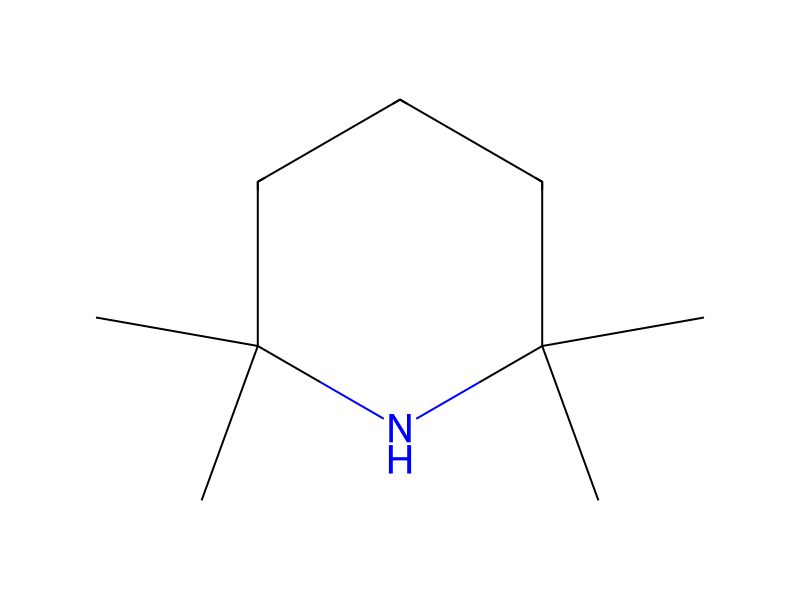
3-Chloro-2-fluoro-6-methylbenzaldehyde: (Reference: E. J. Org. Chem 2005, 2116-2123) To a solution of 2,2,6,6-tetramethylpiperidine (0.642 mL, 3.80 mmol) in THF (15 mL) at −78° C. was added n-BuLi (2.162 mL, 3.46 mmol) dropwise. The resulting solution was stirred at −78° C. for 1 h and added 1-chloro-2-fluoro-4-methylbenzene (0.5 g, 3.46 mmol) dropwise. The solution was stirred for additional 0.5 h and then added DMF (0.536 mL, 6.92 mmol). The reaction was stirred at −78° C. for 1.5 h and at ambient temperature for 12 h. The mixture was diluted with water and extracted with EtOAc (3×). The combined organic layer was washed with brine and concentrated. The residue was purified by silica gel chromatography to yield the desired product (43 mg, 7%).