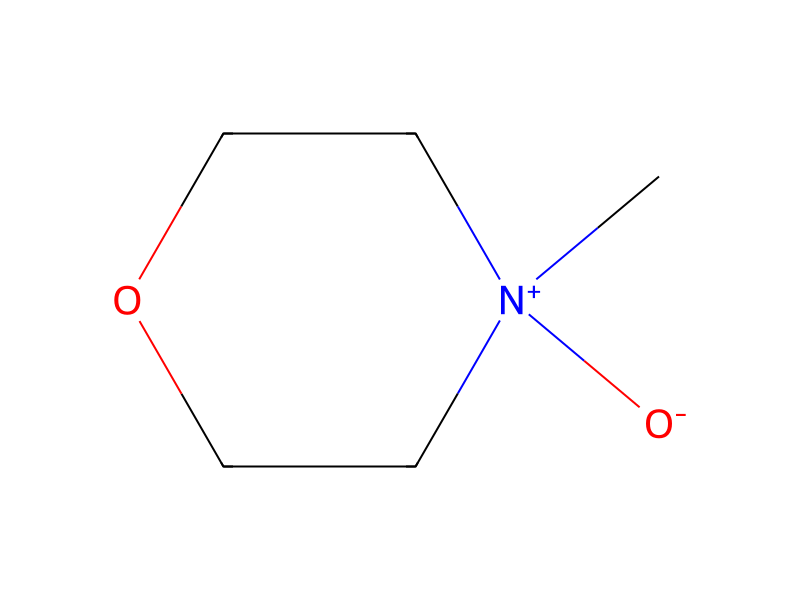
To 150 ml of toluene was added 29.0 g (50% aqueous solution, 124 mmol) of N-methylmorpholine-N-oxide, and dehydration was conducted by heating under reflux for 1 hour. To the reaction mixture was dropwise added 31.5 g (103 mmol) of 2,4-dichloro-5-(2,2,2-trifluoroethylthio)phenylboronic acid dissolved in ethyl acetate, and the mixture was refluxed for 3 hours under heating. Then, the mixture was allowed to cool to room temperature, and 10% aqueous hydrochloric acid was added, followed by extraction with ethyl acetate. The organic phase obtained was washed with saturated sodium chloride solution, dried over anhydrous magnesium sulfate and the solvent was distilled off under reduced pressure. The residue was purified by silica gel column chromatography (developing solvent: a mixed solvent of n-hexane:ethyl acetate=10:1), to obtain 27.2 g (yield: 95%) of an intended product.