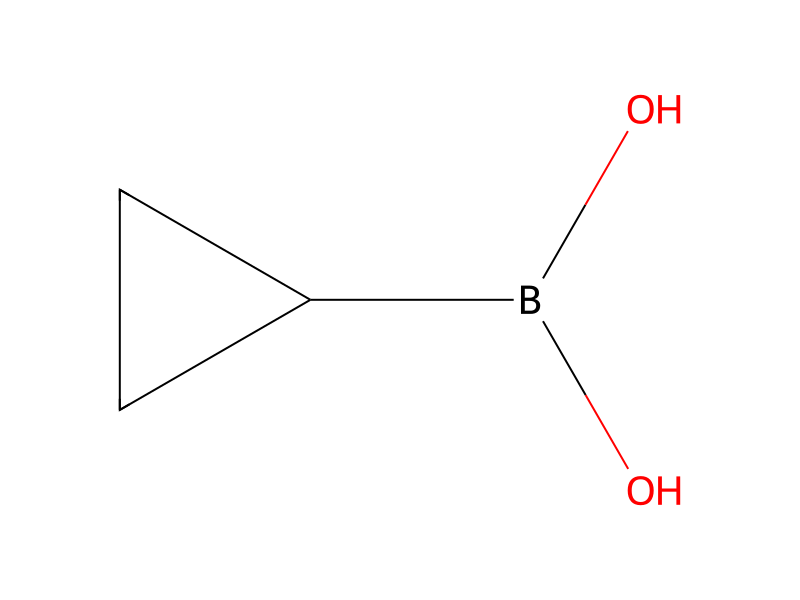
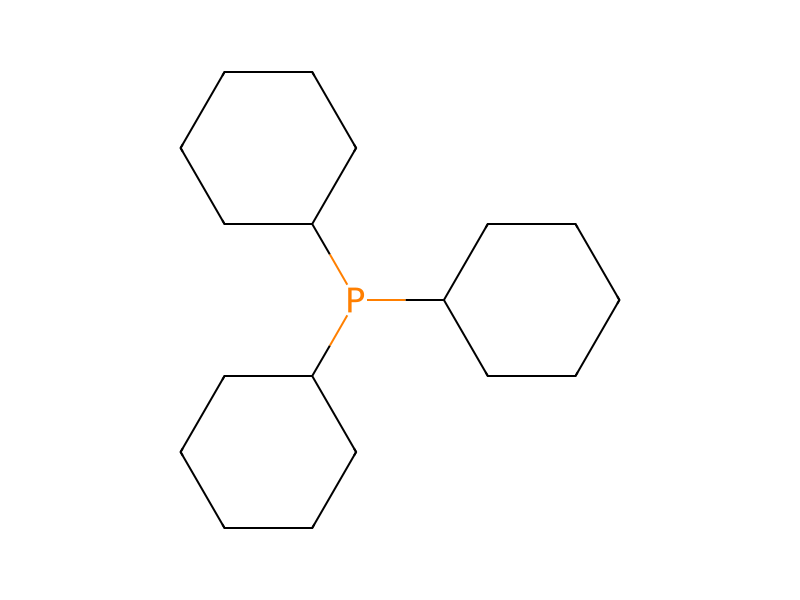
Br[C:2]1[N:7]=[C:6]([NH:8][C:9](=[O:14])[C:10]([CH3:13])([CH3:12])[CH3:11])[CH:5]=[CH:4][CH:3]=1.[CH:15]1(B(O)O)[CH2:17][CH2:16]1.P([O-])([O-])([O-])=O.[K+].[K+].[K+]>C([O-])(=O)C.[Pd+2].C([O-])(=O)C.C1(P(C2CCCCC2)C2CCCCC2)CCCCC1.C1(C)C=CC=CC=1.O>[CH:15]1([C:2]2[N:7]=[C:6]([NH:8][C:9](=[O:14])[C:10]([CH3:13])([CH3:12])[CH3:11])[CH:5]=[CH:4][CH:3]=2)[CH2:17][CH2:16]1A mixture of N-(6-bromopyridin-2-yl)pivalamide (2 g, 7.77 mmol), cyclopropylboronic acid (935 mg, 10.88 mmol), potassium phosphate (toluene/water (10/3 mL) taken in screw cap tube was purged with argon for 15 minutes and then added palladium(II)acetate (174 mg, 0.77 mmol), tricyclohexylphosphine (435.7 mg, 1.55 mmol) sequentially, purged argon for another 5 min. The resultant mixture was stirred at 100° C. under closed argon atmosphere. Reaction completed in 14 h, reaction mass was cooled to room temperature, extracted into ethyl acetate, (100 ml) organic portion was washed with water, dried over sodium sulfate and concentrated to afford 4 g of the titled compound. LCMS: m/z=219.0 (M+1).
Loading…