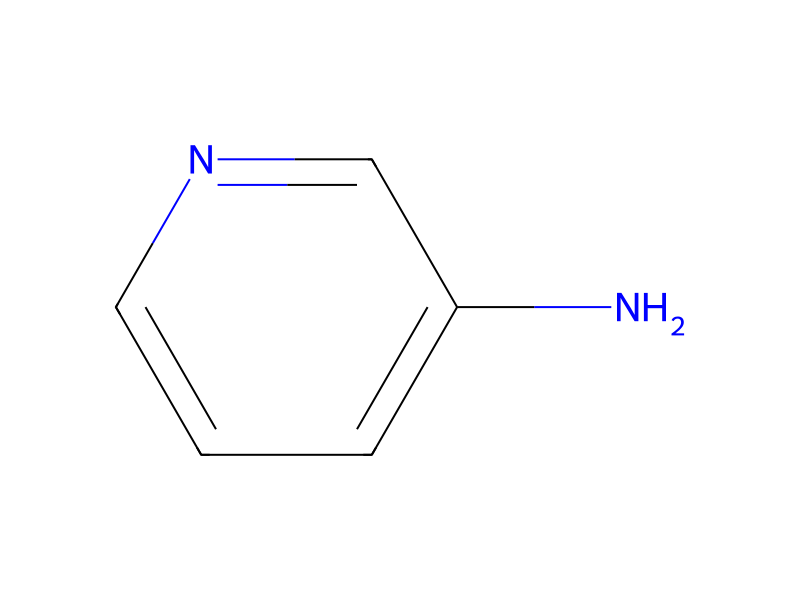
Trans 3-(acetylthiomethyl)-2-oxo-1-azacyclodecane-10-carboxylic acid (0.100 g, 0.35 mmol), 3-aminopyridine (0.036 g, 0.38 mmol), 1-hydroxybenzotriazole (0.047 g, 0.035 mmol), and 4-methylmorpholine (0.077 mL, 0.70 mmol) are dissolved in methylene chloride (2.5 mL), and the reaction is cooled to 0° C. To this solution is added N-(dimethylaminopropyl)-N'-ethylcarbodiimide hydrochloride (0.134 g, 0.70 mmol), and the reaction is allowed to warm up to room temperature and then stirred overnight. The reaction is partitioned between methylene chloride and water, the organic layer is dried (MgSO4), and the solvent is evaporated. The product is purified by silica gel chromatography (70% ethyl acetate/hexane) to give 3-{N-[[trans 3-(acetylthiomethyl)-2-oxo-1-azacyclodecan-10-yl]-carbonyl]-amino}-pyridine, MS: M+1=364.