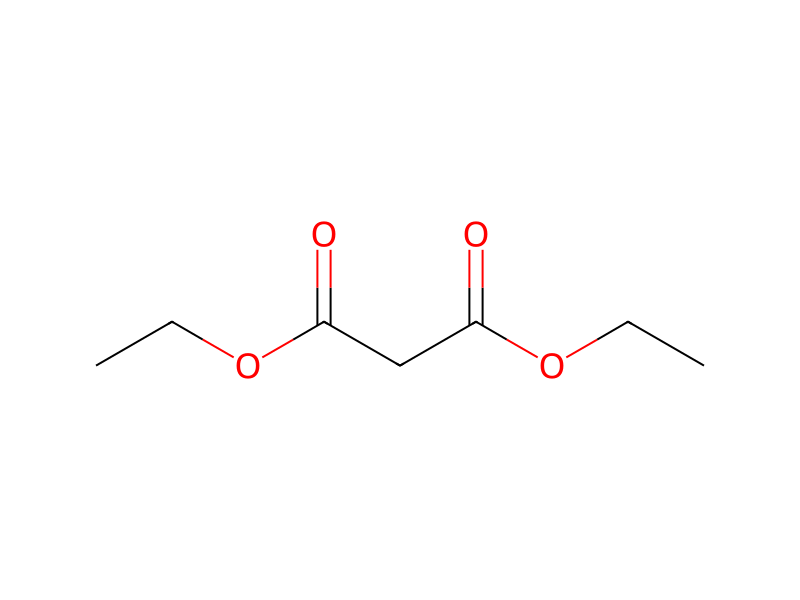
To a stirred suspension of 78.5 g of sodium hydride in 1 liter of tetrahydrofuran under nitrogen was added in portions 261 g of diethyl malonate. When evolution of hydrogen had ceased, 108 g of 3-chloromethyl-5-methylisoxazole was added and the reaction mixture was heated at reflux for four hours. A portion of the tetrahydrofuran (800 ml) was distilled off and 1 liter of 5% sodium hydroxide solution was added to the remaining mixture which was then heated at reflux for three hours and allowed to stand at room temperature for three days. The reaction mixture was filtered and the filtrate extracted with hexane. The aqueous layer was acidified with concentrated hydrochloric acid and extracted repeatedly with ethyl acetate. The ethyl acetate was removed in vacuo, 100 ml of pyridine added to the residue, and the mixture heated at reflux for three hours until evolution of carbon dioxide ceased. The mixture was concentrated in vacuo and the residue acidified with 6 N hydrochloride acid and cooled. The solid which separated was collected and dissolved in methylene dichloride. The layers were separated and the methylene dichloride layer concentrated in vacuo. The residual solid was slurried with isopropyl acetate--hexane to give 75.4 g of 5-methyl-3-isoxazolepropanoic acid, m.p. 82°-84° C.