HomeMCPWorkbenchSkills
HomeWorkbenchNotificationsMe
llms.txt · MCP GuidePrivacy Policy · Terms of Service · Supportv1.8.3
  1. Home
  2. /Reaction

Ethyl Acetate → 6-Chloro-2-methoxy-3-nitropyridine

HRID 546734
Print

Reaction equation

HRID 546734 reaction equation
C[O-].[Na+].Cl[C:5]1[C:10]([N+:11]([O-:13])=[O:12])=[CH:9][CH:8]=[C:7]([Cl:14])[N:6]=1.[Cl-].[NH4+].[C:17](OCC)(=[O:19])C>C1COCC1>[Cl:14][C:7]1[N:6]=[C:5]([O:19][CH3:17])[C:10]([N+:11]([O-:13])=[O:12])=[CH:9][CH:8]=1
ParticipantsProcedureWorkupSources & evidenceReaction notes

Participants

6

Reactant 4

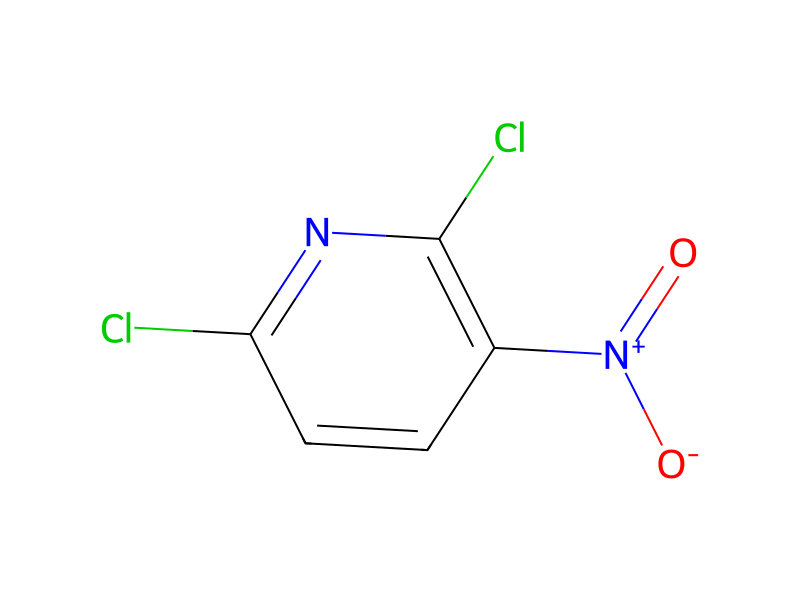
HCID 8857Ethyl AcetateHCID 25517Ammonium ChlorideHCID 852392,6-Dichloro-3-nitropyridineHCID 10942334Sodium Methoxide

Product 1

HCID 107977036-Chloro-2-methoxy-3-nitropyridine

Reagents, catalysts & solvents 1

HCID 8028Tetrahydrofuran
Solvent

Procedure

Sodium methoxide (2.8 g) was added to a solution of 2,6-dichloro-3-nitropyridine (10 g) in THF (100 mL) at 0° C., and the reaction solution was stirred at room temperature for 13 hours. A saturated ammonium chloride solution and ethyl acetate were added to the reaction solution, and the organic layer was separated. The resulting organic layer was washed with brine, dried over anhydrous magnesium sulfate and then concentrated under reduced pressure. The residue was purified by silica gel column chromatography (elution solvent: heptane-ethyl acetate system) to obtain 6.49 g of the title compound. The property value of the compound is as follows.


Workup

  1. customthe organic layer was separated
  2. washThe resulting organic layer was washed with brine
  3. dry with materialdried over anhydrous magnesium sulfate
  4. concentrationconcentrated under reduced pressure
  5. customThe residue was purified by silica gel column chromatography (elution solvent: heptane-ethyl acetate system)

Sources & evidence

ORD record
ord-56d72c00581f4a27a7163a8b80f47405
Source dataset
uspto-grants-2011_05
DOI
10.6084/m9.figshare.5104873.v1
Patent number
US07935815B2

Reaction notes

On this pageParticipantsProcedureWorkupSources & evidenceReaction notes