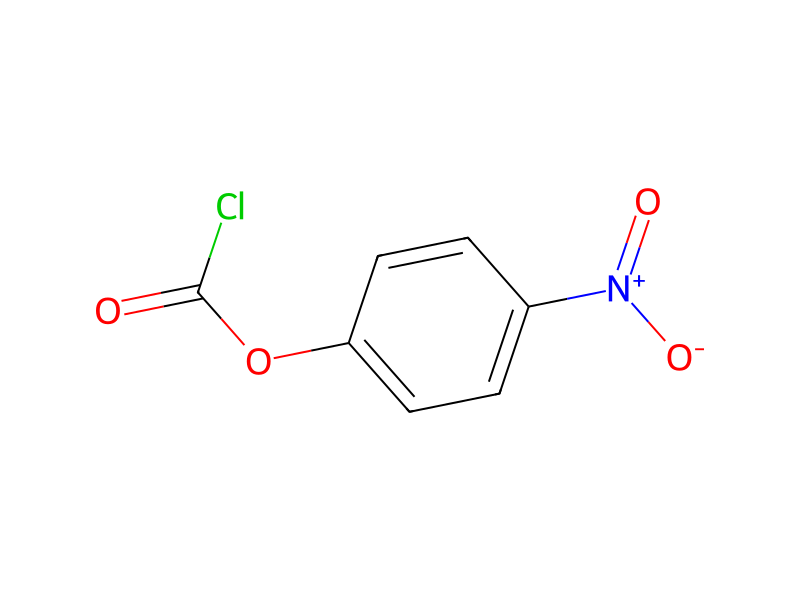
To a 2-neck round bottom flask (1 L) equipped with a mechanical stirrer was added ethyl 2-amino-4-methylthiazole-5-carboxylate (30.00 g, 161.00 mmol) in anhydrous tetrahydrofuran (750 mL) and pyridine (191.10 g, 242.00 mmol), followed by the dropwise addition of 4-nitrophenyl chloroformate (40.60 g, 202.00 mmol) in anhydrous dichloromethane (100 mL) at 0° C. The yellow reaction mixture was stirred at 0° C. for 2 h, followed by the addition of hydrazine monohydrate (25.50 g, 796.00 mmol). The resulting mixture was stirred at ambient temperature for 16 h. The yellow solid was collected by filtration and washed with cold methanol (100 mL) and diethyl ether (100 mL) to afford ethyl 2-(hydrazinecarboxamido)-4-methylthiazole-5-carboxylate as a yellow solid in quantitative yield (42.00 g): mp 225-230° C.; 1H NMR (300 MHz, DMSO-d6) δ 7.24 (br s, 4H), 4.21 (t, J=7.1 Hz, 2H), 2.48 (s, 3H), 1.26 (t, J=7.1 Hz, 3H); 13C NMR (75 MHz, DMSO-d6) δ 162.6, 156.8, 156.3, 156.3, 60.7, 17.5, 14.7; MS (ES+) m/z 245.0 (M+1).