HomeMCPWorkbenchSkills
HomeWorkbenchNotificationsMe
llms.txt · MCP GuidePrivacy Policy · Terms of Service · Supportv1.8.3
  1. Home
  2. /Reaction

Hydrochloric Acid → Ethyl 4-propenylcyclohexanecarboxylate

HRID 565154
Print

Reaction equation

HRID 565154 reaction equation
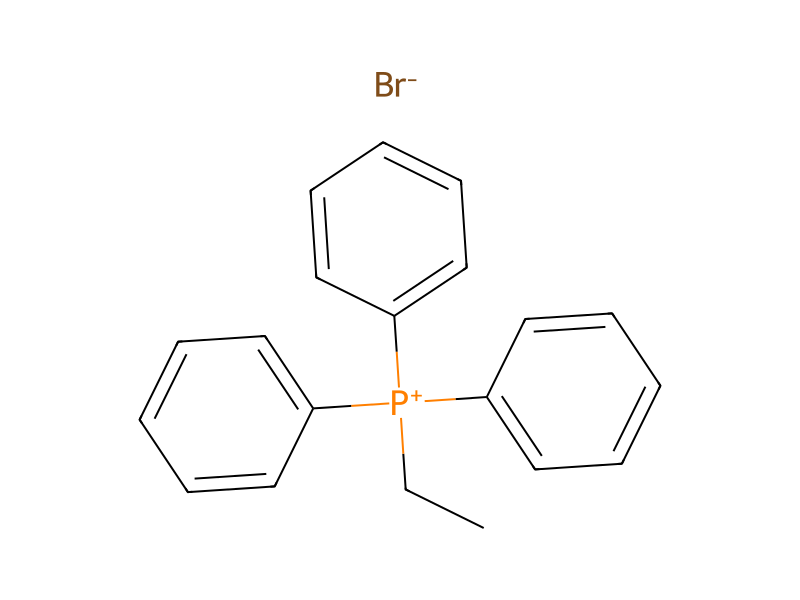
[CH:1]([CH:3]1[CH2:8][CH2:7][CH:6]([C:9]([O:11][CH2:12][CH3:13])=[O:10])[CH2:5][CH2:4]1)=O.[CH3:14][C:15](C)([O-])C.[K+].O.Cl>C1COCC1.[Br-].C([P+](C1C=CC=CC=1)(C1C=CC=CC=1)C1C=CC=CC=1)C>[CH:1]([CH:3]1[CH2:8][CH2:7][CH:6]([C:9]([O:11][CH2:12][CH3:13])=[O:10])[CH2:5][CH2:4]1)=[CH:14][CH3:15]
ParticipantsProcedureWorkupSources & evidenceReaction notes

Participants

7

Reactant 4

HCID 313Hydrochloric AcidHCID 962WaterHCID 13548164(1R,4R)-Ethyl 4-formylcyclohexanecarboxylateHCID 23665647Potassium tert-butoxide

Product 1

HCID 70219337Ethyl 4-propenylcyclohexanecarboxylate

Reagents, catalysts & solvents 2

HCID 73727
Phosphonium, ethyltriphenyl-, bromide (1:1)
Catalyst
HCID 8028TetrahydrofuranSolvent

Procedure

240 g of ethyl 4-formylcyclohexanecarboxylate were dissolved in 2.4 l of THF at 10-15° C. under nitrogen, and 531 g of ethyltriphenylphosphonium bromide were added. 160 g of potassium tert-butoxide were introduced in portions into the resultant suspension over a period of 1.5 hours, the temperature being held at below 20° C. After the mixture had been stirred overnight, the mixture was hydrolyzed using water the next day and rendered slightly acidic using 2 N HCl. Conventional work-up gave ethyl 4-propenylcyclohexanecarboxylate as an E/Z isomer mixture.

Workup

  1. custombeing held at below 20° C

Sources & evidence

ORD record
ord-c458f8febb4b4767b76155a9c479b2d8
Source dataset
uspto-grants-2001_01
DOI
10.6084/m9.figshare.5104873.v1
Patent number
US06171664B2

Reaction notes

On this pageParticipantsProcedureWorkupSources & evidenceReaction notes