Reaction equation

[Cl:1][C:2]1[CH:3]=[C:4]([NH:9][NH2:10])[CH:5]=[C:6]([Cl:8])[CH:7]=1.[C:11]([O:16][CH2:17][CH3:18])(=[O:15])[C:12]([CH3:14])=O.S(=O)(=O)(O)O.C(=O)(O)[O-].[Na+]>O.C(OCC)(=O)C.C(O)C>[Cl:1][C:2]1[CH:3]=[C:4]([NH:9][N:10]=[C:12]([CH3:14])[C:11]([O:16][CH2:17][CH3:18])=[O:15])[CH:5]=[C:6]([Cl:8])[CH:7]=1Participants
8
Reactant 4

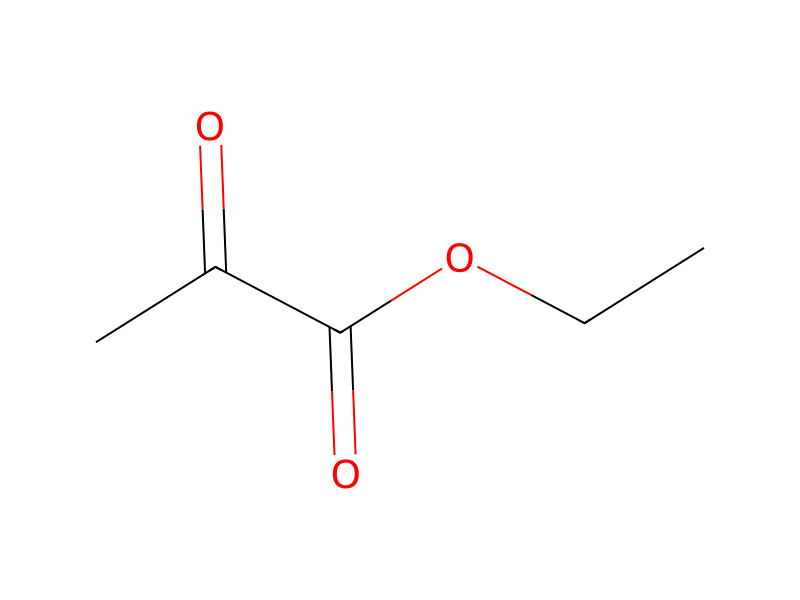


Product 1

Reagents, catalysts & solvents 3



Procedure
Combine 3,5-dichlorophenylhydrazine (300 g) and ethanol (2 L). Add ethyl pyruvate (153.6 mL) and sulfuric acid (25 mL). After 3 hours, evaporate in vacuo to obtain a residue. Cover the residue with ethyl acetate and water. Add solid sodium bicarbonate until the aqueous layer is neutralized. Separate the layers and extract the aqueous layer with ethyl acetate. Combine the organic layers, dry over MgSO4, filter, and evaporate in vacuo to give ethyl pyruvate-3,5-dichlorophenylhydrazone.
Workup
- customevaporate in vacuo
- customto obtain a residue
- customSeparate the layers
- extractionextract the aqueous layer with ethyl acetate
- dry with materialdry over MgSO4
- filtrationfilter
- customevaporate in vacuo
Sources & evidence
- ORD record
- ord-d5e34066087a4da88c2fe42ecfd555ff
- Source dataset
- uspto-grants-1999_07
- Patent number
- US05922752
Linked notes
Loading…