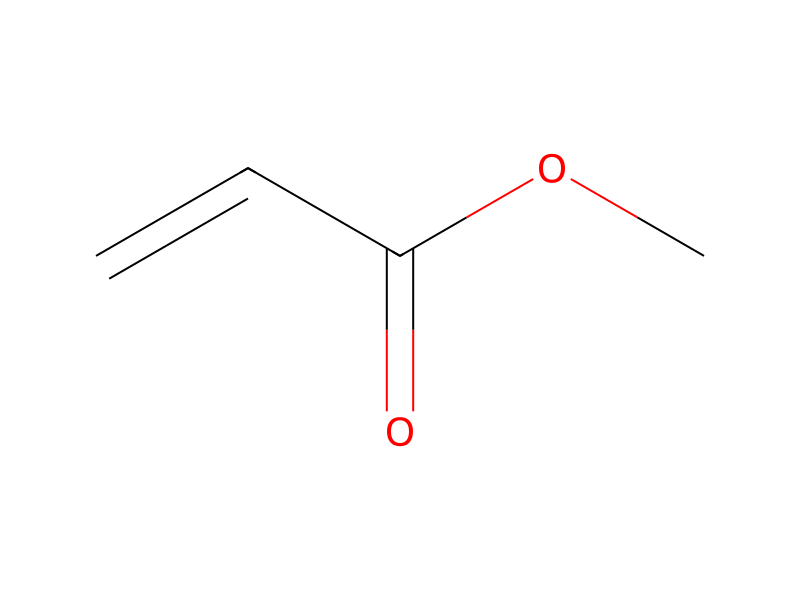
[Br:1][C:2]1[C:3]([CH3:9])=[CH:4][C:5](=[O:8])[NH:6][CH:7]=1.C([O-])([O-])=O.[K+].[K+].[C:16]([O:20][CH3:21])(=[O:19])[CH:17]=[CH2:18]>CN(C=O)C>[Br:1][C:2]1[C:3]([CH3:9])=[CH:4][C:5](=[O:8])[N:6]([CH2:18][CH2:17][C:16]([O:20][CH3:21])=[O:19])[CH:7]=1To a solution of 5-bromo-4-methylpyridin-2(1H)-one (1.0 g, 5.3 mmol) in DMF (10 mL), K2CO3 (1.5 g, 10.6 mmol) was added, followed by addition of methyl acrylate (0.91 g, 10.6 mmol) at 80° C. The mixture was stirred at 80° C. for 1 h. The mixture was allowed to cool to room temperature and then partitioned between ethyl acetate and water. The organic layer was washed with brine, dried over Na2SO4, filtered and concentrated in vacuo. The residue was used directly in the next step without further purification.