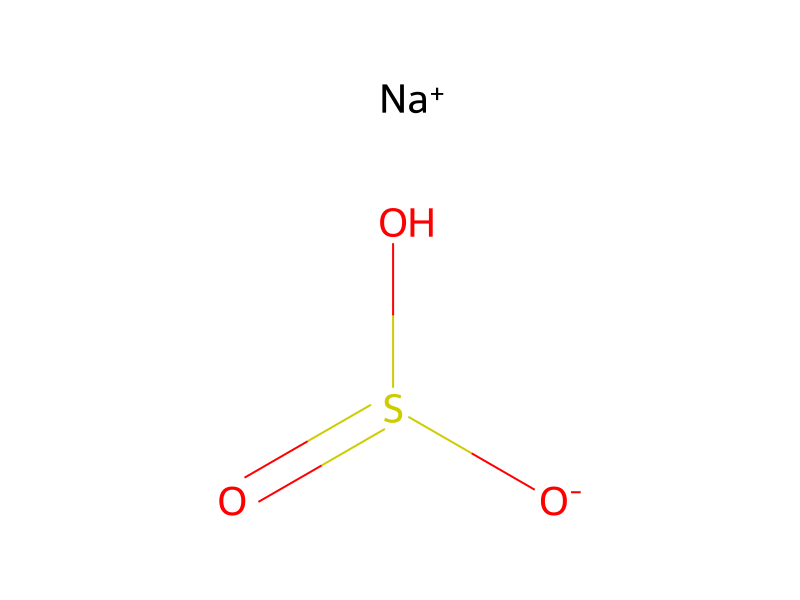
[CH3:1][C:2]1[CH:7]=[C:6]([CH:8]=O)[CH:5]=[C:4]([CH3:10])[N:3]=1.[NH2:11][C:12]1[CH:20]=[C:19]([F:21])[CH:18]=[C:17]([F:22])[C:13]=1[C:14]([NH2:16])=[O:15].S([O-])(O)=O.[Na+].C1(C)C=CC(S(O)(=O)=O)=CC=1>CN(C)C(=O)C>[CH3:1][C:2]1[CH:7]=[C:6]([C:8]2[NH:16][C:14](=[O:15])[C:13]3[C:12](=[CH:20][C:19]([F:21])=[CH:18][C:17]=3[F:22])[N:11]=2)[CH:5]=[C:4]([CH3:10])[N:3]=1To a solution of 2,6-dimethyl-pyridine-4-carbaldehyde (0.99 g, 7.32 mmol) and 2-amino-4,6-difluorobenzamide (1.26 g, 7.32 mmol) in N,N-dimethyl acetamide (20 mL) were added sodium hydrogen sulfite (58.5 wt %, 1.59 g, 8.78 mmol) and p-toluenesulfonic acid (0.21 g, 1.09 mmol). The reaction mixture was stirred at 115° C. for 16 hours under nitrogen. After cooling to room temperature, the solvent was evaporated under reduced pressure. Water (50 mL) was added, the precipitated solid was filtered, washed with water, and dried under vacuum, to give 2-(2,6-dimethyl-pyridin-4-yl)-5,7-difluoro-3H-quinazolin-4-one as a yellow solid. Yield: 0.63 g (30%).