Cesium carbonate → 6-Ethenyl-2-methyl-3-nitropyridine
Reaction equation

Br[C:2]1[N:7]=[C:6]([CH3:8])[C:5]([N+:9]([O-:11])=[O:10])=[CH:4][CH:3]=1.[CH:12](B1OC(C)(C)C(C)(C)O1)=[CH2:13].C(=O)([O-])[O-].[Cs+].[Cs+]>CC1CCCO1.O.C([O-])(=O)C.[Pd+2].C([O-])(=O)C.CC(C1C=C(C(C)C)C(C2C=CC=CC=2P(C2CCCCC2)C2CCCCC2)=C(C(C)C)C=1)C>[CH:12]([C:2]1[N:7]=[C:6]([CH3:8])[C:5]([N+:9]([O-:11])=[O:10])=[CH:4][CH:3]=1)=[CH2:13]Participants
Reactant 3



Product 1

Reagents, catalysts & solvents 4



Procedure
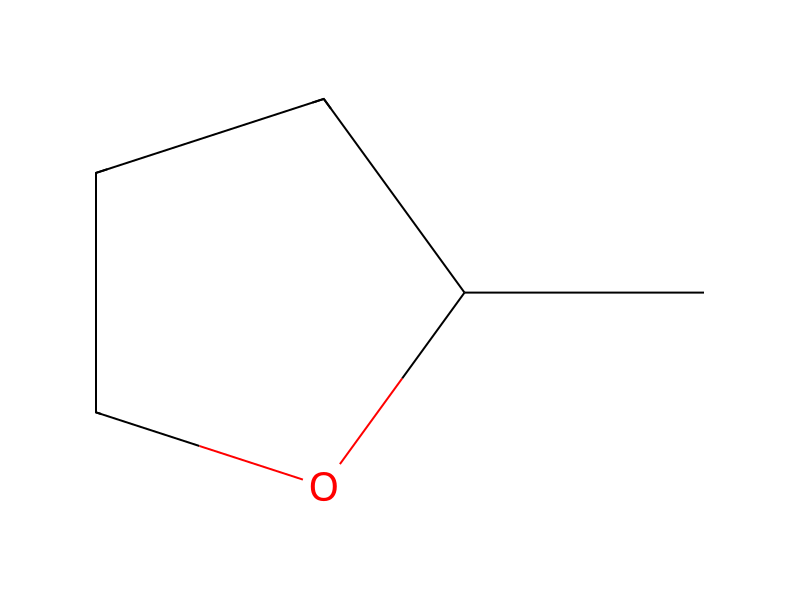
A suspension/solution of 6-bromo-2-methyl-3-nitropyridine (500 mg, 2.304 mmol), 2-ethenyl-4,4,5,5-tetramethyl-1,3,2-dioxaborolane (0.782 mL, 4.61 mmol), palladium(II) acetate (25.9 mg, 0.115 mmol), X-phos (110 mg, 0.230 mmol) and cesium carbonate (3.0 g, 9.22 mmol) in 2-methyltetrahydrofuran (2-MeTHF) (8 mL) and water (2 mL) was stirred under nitrogen at 60° C. for 1 hour. The reaction mixture was cooled then separated between ethyl acetate and water. The organic phase was washed with brine and dried over magnesium sulphate. The solvent was removed in vacuo and the residue was dissolved in DCM (5 mL). This was applied to a silica cartridge and eluted with a gradient of 0-100% ethyl acetate in cyclohexane. This gave the crude product (440 mg) as a brown liquid which was used directly in the next step with no further purification. LCMS (2 min, formic) Rt 0.91 min, m/z (ES+) 165 (M+H).
Workup
- temperatureThe reaction mixture was cooled
- customthen separated between ethyl acetate and water
- washThe organic phase was washed with brine
- dry with materialdried over magnesium sulphate
- customThe solvent was removed in vacuo
- dissolutionthe residue was dissolved in DCM (5 mL)
- washeluted with a gradient of 0-100% ethyl acetate in cyclohexane
Sources & evidence
- ORD record
- ord-a54ef7cd6cc04d60a0c52759cf1efeea
- Source dataset
- uspto-grants-2016_01
- Patent number
- US09242972B2
Reaction notes
Loading…