HomeMCPWorkbenchSkills
HomeWorkbenchNotificationsMe
llms.txt · MCP GuidePrivacy Policy · Terms of Service · Supportv1.8.3
  1. Home
  2. /Reaction

Iodine → Triethylpropylphosphonium iodide

HRID 596558
Print

Reaction equation

HRID 596558 reaction equation
C=C[C:3]1[CH:8]=[CH:7]C=CC=1.BrC1C=CC(C=C)=CC=1.C(C1C=CC=CC=1C=C)=C.C1OCC1.[I-:32].II.[C:35]1([P:41]([C:48]2C=CC=C[CH:49]=2)[C:42]2C=CC=C[CH:43]=2)C=CC=C[CH:36]=1.C(P(CC)CC)C>>[I-:32].[CH2:35]([P+:41]([CH2:48][CH3:49])([CH2:42][CH3:43])[CH2:7][CH2:8][CH3:3])[CH3:36]
ParticipantsProcedureSources & evidenceReaction notes

Participants

9

Reactant 8

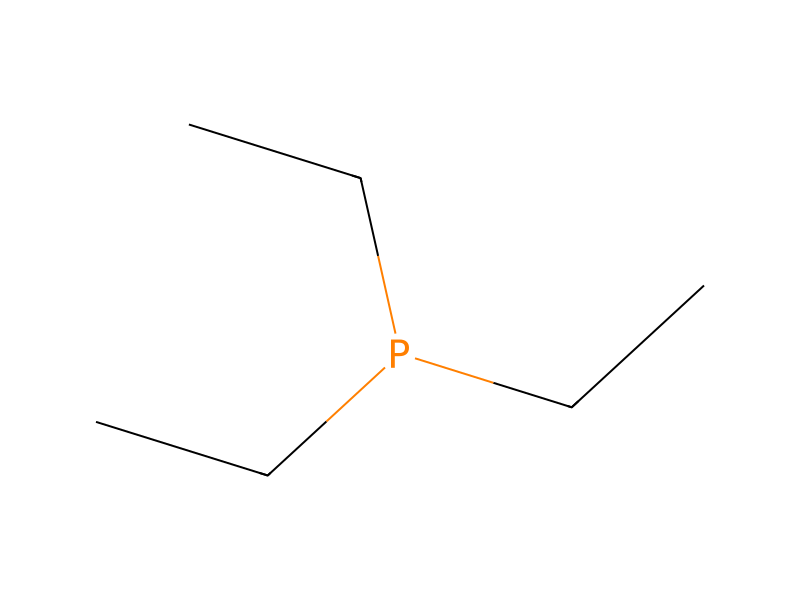
HCID 807IodineHCID 7501StyreneHCID 10423OxetaneHCID 11776TriphenylphosphineHCID 162634-BromostyreneHCID 27365TriethylphosphineHCID 30165Iodide Ion
HCID 66666
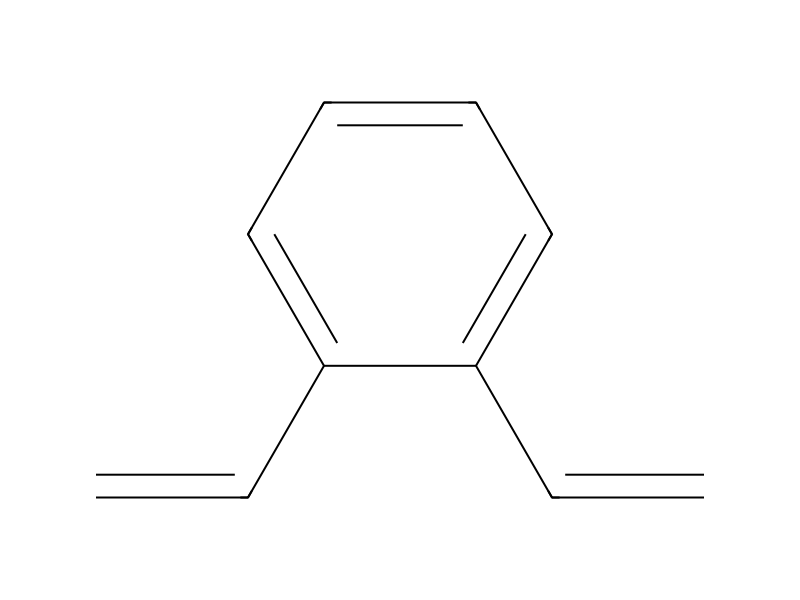
1,2-Diethenylbenzene

Product 1

HCID 21450067Triethylpropylphosphonium iodide

Procedure

The catalyst of this example was prepared from a cross-linked copolymer of a 2:1 molar ratio of styrene and p-bromo styrene and 2% by weight, based on the above monomers, of divinyl monomers. The latter in this instance was divinyl benzene. The Br of the polymer was replaced with Li and then the Li was converted to --(CH2)3OH by reaction with trimethylene oxide. The OH of the --(CH2)3OH was converted to the iodide with I2 in the presence of triphenyl phosphine. The cross-linked polymer having a plurality of --(CH2)3I groups was then reacted with triethyl phosphine to form the corresponding triethyl n-propyl phosphonium iodide. The iodide was converted to the acetate with sodium acetate and the acetate was converted to --OC2H5 /OH- by reaction with an 80-20 ethanol-water mixture (by volume) containing 3.7 g. Na in 200 ml. of the ethanol-water mixture. This catalyst had a plurality of ##STR3##


Sources & evidence

ORD record
ord-a0fe6795082a48479908dbd305cf99b2
Source dataset
uspto-grants-1977_03
DOI
10.6084/m9.figshare.5104873.v1
Patent number
US04011268

Reaction notes

On this pageParticipantsProcedureSources & evidenceReaction notes