Reaction equation

[Br:1][C:2]1[CH:9]=[C:8]([Br:10])[CH:7]=[C:4]([CH:5]=O)[C:3]=1[OH:11].[C:12]([NH2:16])([CH3:15])([CH3:14])[CH3:13].N.[ClH:18]>C(O)C.CCOCC.C(O)=O>[ClH:18].[C:12]([NH:16][CH2:5][C:4]1[CH:7]=[C:8]([Br:10])[CH:9]=[C:2]([Br:1])[C:3]=1[OH:11])([CH3:15])([CH3:14])[CH3:13]Participants
8
Reactant 4


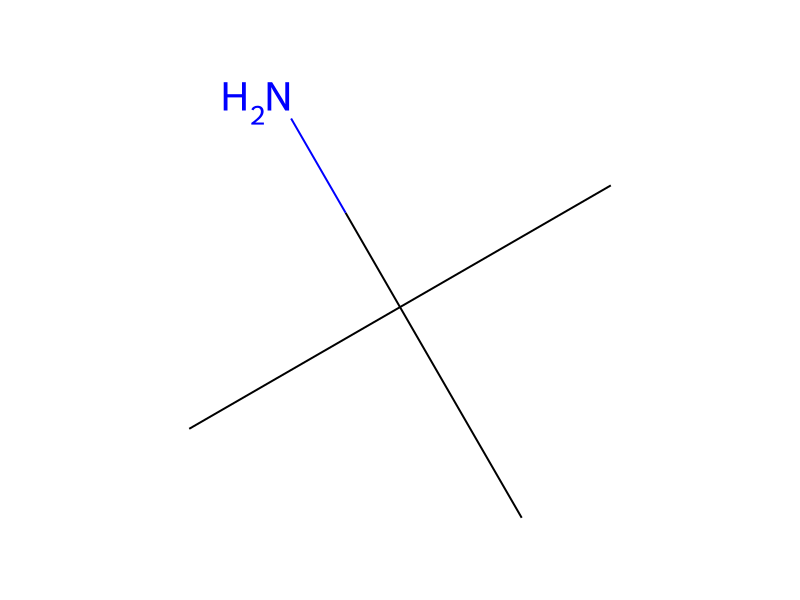

Product 1

Reagents, catalysts & solvents 3



Procedure
7 gm of 3,5-dibromo-salicylaldehyde, 17.5 gm of tert. butylamine and 7.7 gm of formic acid were heated for 6 hours at 70°-80° C. Subsequently, the reaction mixture was admixed with aqueous 2 N ammonia, vigorously shaken, and the precipitate formed thereby was sucked off. The residue was dissolved in ethanol, acidified with ethanolic hydrochloric acid and admixed with ether in order to crystallize the product out. N-tert.butyl-3,5-dibromo-2-hydroxy-benzylamine hydrochloride, m.p. 216°-220° C (decomp.), was obtained after recrystallization from absolute ethanol/ether.
Workup
- customthe precipitate formed
- customto crystallize the product out
Sources & evidence
- ORD record
- ord-3136111fc16f4cebb7a7f3363b4d7f1b
- Source dataset
- uspto-grants-1978_02
- Patent number
- US04073942
Linked notes
Loading…