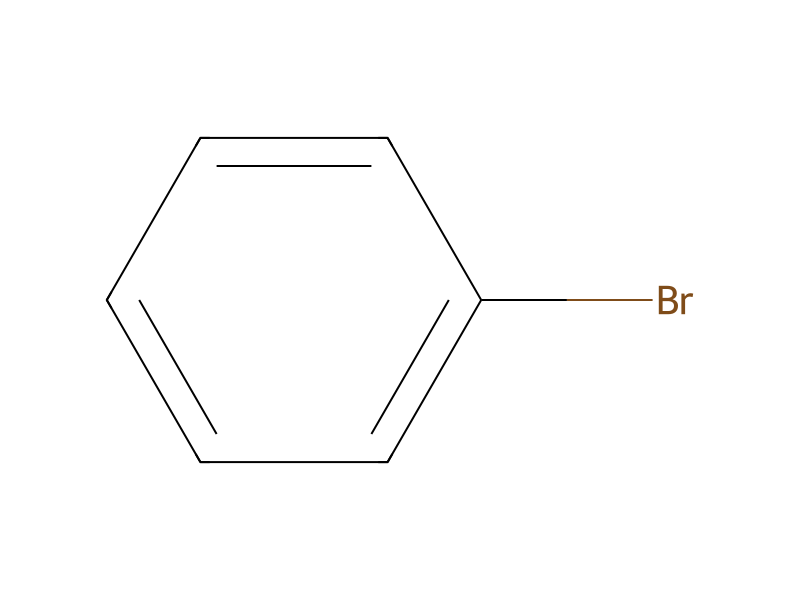
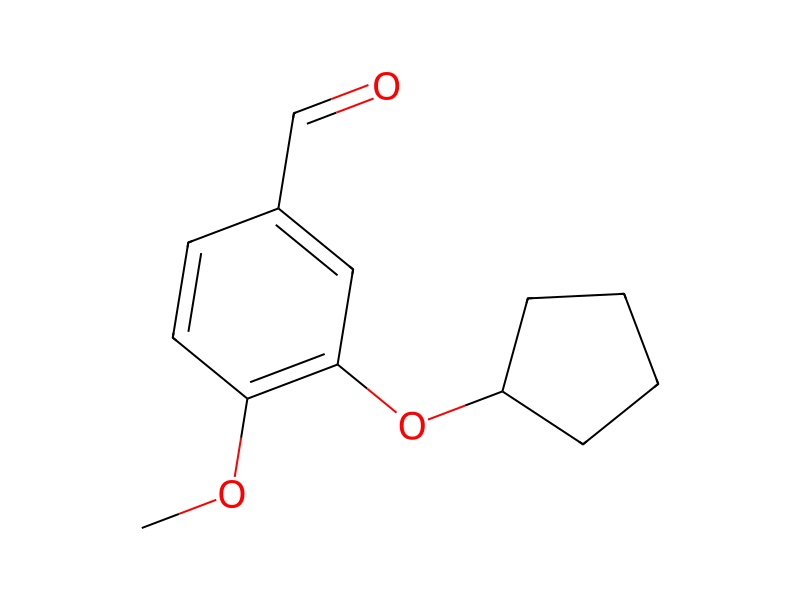
A Grignard complex was formed with bromobenzene (18.84 g), magnesium, turnings (2.9 g), iodine (catalytic amount) and aluminum (catalytic amount) in THF (105 ml). A solution of bromobenzene in THF (100 ml) was added dropwise, under N2 flow, to a stirs solution of magnesium, turnings and iodine in THF (5 ml). The reaction mixture was stirred and heated. After all bromobenzene was added, the reaction mixture was stirred and refluxed for 1 hour. The mixture was cooled on an ice-bath. A solution of 3-(cyclopentyloxy)-4-methoxybenzaldehyde (22.03 g) in THF (80 ml) was added dropwise at 0° C. The reaction mixture was stirred for 2 hours at RT, then cooled to 0° C. A saturated NH4Cl solution (200 ml) was added dropwise and this mixture was extracted twice with CH2Cl2 (100 ml). The separated organic layer was dried (MgSO4), filtered and the solvent evaporated, yielding 29.3 g (98%) of (±)-3-(cyclopentyloxy)-4-methoxy-α-phenylbenzenemethanol (interm. 6).