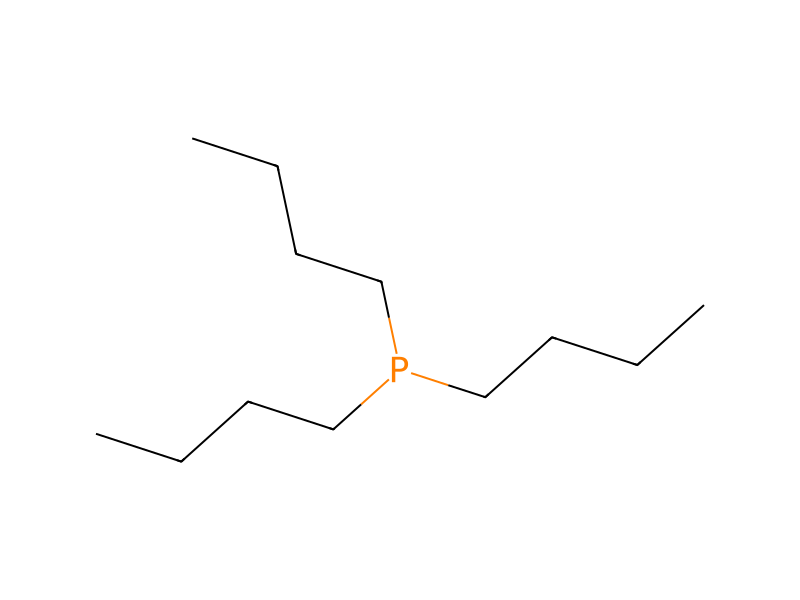
[OH:1][C:2]1[C:3]([N+:12]([O-:14])=[O:13])=[N:4][CH:5]=[C:6]([CH:11]=1)[C:7]([O:9][CH3:10])=[O:8].[F:15][C:16]1[CH:21]=[CH:20][CH:19]=[CH:18][C:17]=1[CH2:22]O.C(P(CCCC)CCCC)CCC.N(C(OCC)=O)=NC(OCC)=O>C1COCC1.C(OCC)(=O)C.O>[F:15][C:16]1[CH:21]=[CH:20][CH:19]=[CH:18][C:17]=1[CH2:22][O:1][C:2]1[C:3]([N+:12]([O-:14])=[O:13])=[N:4][CH:5]=[C:6]([CH:11]=1)[C:7]([O:9][CH3:10])=[O:8]To a solution of 2 g of methyl 5-hydroxy-6-nitronicotinate, 1.62 ml of (2-fluorophenyl)methanol, and 3.99 ml of tributylphosphine in 40 ml of THF was added 2.54 ml of diethyl azodicarboxylate under ice-cooling, followed by stirring for 1 hour under ice-cooling and at room temperature for 2 hours. To the reaction mixture were added water and ethyl acetate to carry out a layer separation operation. The organic layer was washed with saturated brine and dried over anhydrous magnesium sulfate, and the solvent was evaporated under reduced pressure. The obtained residue was purified by silica gel column chromatography to obtain 2.58 g of methyl 5-[(2-fluorobenzyl)oxy]-6-nitronicotinate.