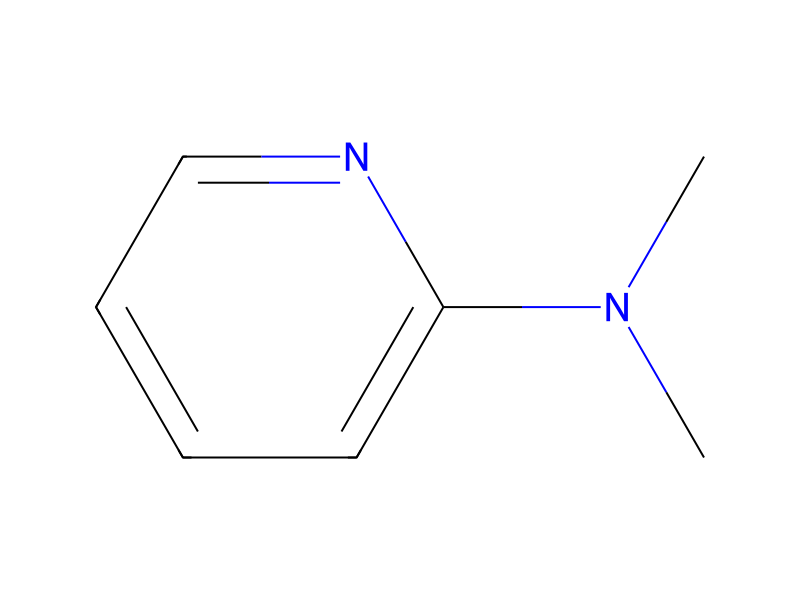
[Cl:1][C:2]1[N:3]=[C:4]([Cl:12])[C:5]2[C:10]([CH3:11])=[CH:9][NH:8][C:6]=2[N:7]=1.C(N(C(C)C)CC)(C)C.[C:22]1([CH3:32])[CH:27]=[CH:26][C:25]([S:28](Cl)(=[O:30])=[O:29])=[CH:24][CH:23]=1.CN(C1C=CC=CN=1)C>C(Cl)Cl.C(OC(=O)C)C>[Cl:1][C:2]1[N:3]=[C:4]([Cl:12])[C:5]2[C:10]([CH3:11])=[CH:9][N:8]([S:28]([C:25]3[CH:26]=[CH:27][C:22]([CH3:32])=[CH:23][CH:24]=3)(=[O:30])=[O:29])[C:6]=2[N:7]=1To a suspension of 2,4-dichloro-5-methyl-7H-pyrrolo[2,3-d]pyrimidine (0.58 g, 2.86 mmol) in CH2Cl2 (6 mL) was added diisopropylethylamine (DIPEA) (0.56 mL, 3.14 mmol) and p-toluenesulfonyl chloride (TsCl) (0.57 g, 3.0 mmol), followed by dimethylaminopyridine (DMAP) (0.035 g, 0.286 mmol). After stirring at ambient temperature for 1 h, the solution was diluted with ethylacetate, and the organic layer was sequentially washed with 1N HCl, saturated NaHCO3, and brine. The organic extract was then dried over Na2SO4 and concentrated to give a crude residue, which was purified by flash column (hexanes/ethyl acetate, 5:1) to yield 2,4-dichloro-5-methyl-7-tosyl-pyrrolo[2,3-d]pyrimidine (0.38 g, 38%).