HomeMCPSkillsWorkbenchOpenChem
HomeWorkbenchNotificationsMe
llms.txt · skill.md · MCP GuidePrivacy Policy · Terms of Service · Supportv1.8.5
  1. Home
  2. /Reaction

Hydrochloric Acid → (R)-3-(4-Trifluoromethyl-phenylamino)-valeric acid

HRID 661448
Print

Reaction equation

Cl.[NH2:2][C@H:3]([CH2:8][CH3:9])[CH2:4][C:5]([OH:7])=[O:6].Br[C:11]1[CH:16]=[CH:15][C:14]([C:17]([F:20])([F:19])[F:18])=[CH:13][CH:12]=1.C(=O)([O-])[O-].[K+].[K+].Cl>[Cu](I)I.C1(C)C=CC=CC=1.O.CS(C)=O>[F:18][C:17]([F:20])([F:19])[C:14]1[CH:15]=[CH:16][C:11]([NH:2][C@H:3]([CH2:8][CH3:9])[CH2:4][C:5]([OH:7])=[O:6])=[CH:12][CH:13]=1
ParticipantsConditionsProcedureWorkupSources & evidenceReaction notes

Participants

9

Reactant 4

HCID 313Hydrochloric AcidHCID 11430Potassium CarbonateHCID 67872Benzene, 1-bromo-4-(trifluoromethyl)-HCID 66557334(3R)-3-Aminopentanoic acid hydrochloride

Product 1

HCID 57972811(R)-3-(4-Trifluoromethyl-phenylamino)-valeric acid

Reagents, catalysts & solvents 4

HCID 83717
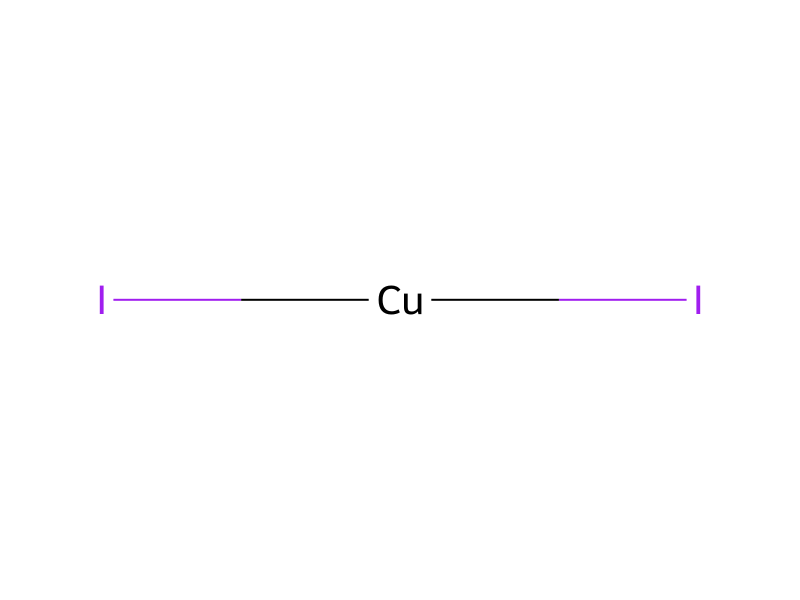
Copper iodide
Catalyst
HCID 679Dimethyl SulfoxideSolvent
HCID 962WaterSolvent
HCID 1140TolueneSolvent

Conditions

Temperature
110 °C

Procedure

To (R)-3-aminovaleric acid hydrochloride (5.0 g), were added 1-bromo-4-trifluoromethylbenzene (10.95 g), copper iodide (1.24 g), potassium carbonate (13.5 g) and dimethylsulfoxide (50 ml), the mixture was stirred under nitrogen atmosphere in a sealed vessel at about 110° C. for 46 hours. The reaction mixture was cooled, water (50 ml) and toluene (50 ml) was added thereto, the pH was adjusted to 3-4 with addition of hydrochloric acid (12.5 mL) and the solution was separated. The aqueous layer was extracted with toluene (50 ml) and the combined organic layer was washed with water (50 ml). 28% ammonia water (50 ml) and water (50 ml) were added to the organic layer and the product was extracted with the aqueous layer. To the aqueous layer were added toluene (50 ml) and hydrochloric acid (30 ml) and the solution was separated. The organic layer was concentrated in vacuo at about 60° C. of the bath temperature, n-heptane (16.3 g) was added to the residue and evaporated twice to give the titled compound as an oily residue. The product was used in the next step without purification.


Workup

  1. temperatureThe reaction mixture was cooled
  2. customthe solution was separated
  3. extractionThe aqueous layer was extracted with toluene (50 ml)
  4. washthe combined organic layer was washed with water (50 ml)
  5. addition28% ammonia water (50 ml) and water (50 ml) were added to the organic layer
  6. extractionthe product was extracted with the aqueous layer
  7. additionTo the aqueous layer were added toluene (50 ml) and hydrochloric acid (30 ml)
  8. customthe solution was separated
  9. concentrationThe organic layer was concentrated in vacuo at about 60° C. of the bath temperature, n-heptane (16.3 g)
  10. additionwas added to the residue
  11. customevaporated twice

Sources & evidence

ORD record
ord-ae3f904c5c4c4566895ac4116f6eea51
Source dataset
uspto-grants-2011_12
DOI
10.6084/m9.figshare.5104873.v1
Patent number
US08084611B2

Reaction notes

On this pageParticipantsConditionsProcedureWorkupSources & evidenceReaction notes