HomeMCPWorkbenchSkills
HomeWorkbenchNotificationsMe
llms.txt · MCP GuidePrivacy Policy · Terms of Service · Supportv1.8.3
  1. Home
  2. /Reaction

Hydrochloric Acid → HCID 131731813, compound

HRID 69017
Print

Reaction equation

HRID 69017 reaction equation
[CH3:1][N:2]1[C:11]2[C:6](=[CH:7][C:8]([O:12][CH2:13][CH2:14][CH2:15][CH2:16][CH2:17][NH:18][CH2:19][CH2:20][C:21]3[CH:22]=[N:23][CH:24]=[CH:25][CH:26]=3)=[CH:9][CH:10]=2)[CH:5]=[CH:4][C:3]1=[O:27].Br[C:29]1[CH:34]=[CH:33][CH:32]=[CH:31][N:30]=1.CC1(C)C2C(=C(P(C3C=CC=CC=3)C3C=CC=CC=3)C=CC=2)OC2C(P(C3C=CC=CC=3)C3C=CC=CC=3)=CC=CC1=2.CC(C)([O-])C.[Na+].[ClH:83]>C(O)C.Cl[Pd](Cl)([P](C1C=CC=CC=1)(C1C=CC=CC=1)C1C=CC=CC=1)[P](C1C=CC=CC=1)(C1C=CC=CC=1)C1C=CC=CC=1.O.C1(C)C=CC=CC=1>[ClH:83].[ClH:83].[ClH:83].[CH3:1][N:2]1[C:11]2[C:6](=[CH:7][C:8]([O:12][CH2:13][CH2:14][CH2:15][CH2:16][CH2:17][N:18]([C:29]3[CH:34]=[CH:33][CH:32]=[CH:31][N:30]=3)[CH2:19][CH2:20][C:21]3[CH:22]=[N:23][CH:24]=[CH:25][CH:26]=3)=[CH:9][CH:10]=2)[CH:5]=[CH:4][C:3]1=[O:27]

ParticipantsConditionsProcedureWorkupSources & evidenceReaction notes

Participants

10

Reactant 5

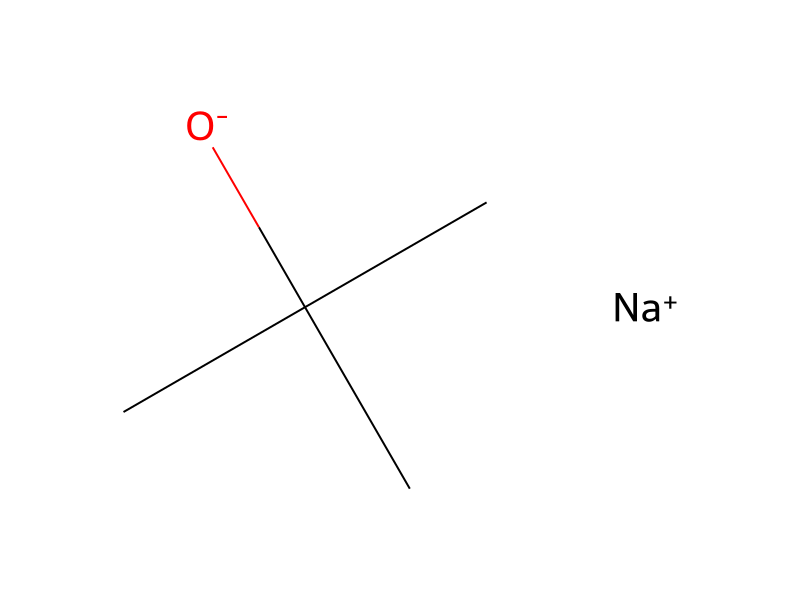
HCID 313Hydrochloric AcidHCID 79732-BromopyridineHCID 6360441,1'-(9,9-Dimethyl-9H-xanthene-4,5-diyl)bis(1,1-diphenylphosphine)HCID 23676156Sodium t-butoxideHCID 669601041-methyl-6-[5-(2-pyridin-3-ylethylamino)pentyloxy]-1H-quinolin-2-one

Product 1

HCID 131731813
HCID 131731813, compound

Reagents, catalysts & solvents 4

HCID 178418476HCID 178418476, compoundCatalystHCID 702EthanolSolvent2×HCID 962WaterSolventHCID 1140TolueneSolvent

Conditions

Temperature
80 °C

Procedure

1-methyl-6-[5-(2-pyridin-3-ylethylamino)pentyloxy]-1H-quinolin-2-one (182 mg), 2-bromopyridine (0.060 ml), palladium acetate (II) (11.2 mg), xantphos (32 mg), and sodium t-butoxide (68 mg) were added to toluene (2 ml). The mixture was heated at 80° C. for 10 hours under nitrogen atmosphere. The reaction liquid was cooled to room temperature. Water was added to the reaction mixture, followed by extraction with dichloromethane. The organic layer was dried over anhydrous sodium sulfate. The filtrate was condensed under reduced pressure, and the residue was purified by silica gel column chromatography (ethyl acetate). The purified product was condensed under reduced pressure. A 1N-hydrogen chloride in ethanol solution (0.58 ml) was added to a ethanol solution (5 ml) of the residue, and the liquid was stirred at room temperature, and concentrated under reduced pressure. Ethanol and diethyl ether were added to the residue. The precipitated insoluble matter was separated, washed with diethyl ether, and dried to give the title compound (72 mg) as a yellow powder.

Workup

  1. customThe reaction liquid
  2. temperaturewas cooled to room temperature
  3. extractionfollowed by extraction with dichloromethane
  4. dry with materialThe organic layer was dried over anhydrous sodium sulfate
  5. customcondensed under reduced pressure
  6. customthe residue was purified by silica gel column chromatography (ethyl acetate)
  7. customcondensed under reduced pressure
  8. concentrationconcentrated under reduced pressure
  9. additionEthanol and diethyl ether were added to the residue
  10. customThe precipitated insoluble matter was separated
  11. washwashed with diethyl ether
  12. customdried

Sources & evidence

ORD record
ord-720fa9ee5dab458fb02f2db36a7e4207
Source dataset
uspto-grants-2014_09
DOI
10.6084/m9.figshare.5104873.v1
Patent number
US08822453B2

Reaction notes

On this pageParticipantsConditionsProcedureWorkupSources & evidenceReaction notes