HomeMCPWorkbenchSkills
HomeWorkbenchNotificationsMe
llms.txt · MCP GuidePrivacy Policy · Terms of Service · Supportv1.8.3
  1. Home
  2. /Reaction

Hydrochloric Acid → 4,6-Diaminoresorcinol Dihydrochloride

HRID 703296
Print

Reaction equation

HRID 703296 reaction equation
[N+:1]([C:4]1[CH:9]=[C:8]([N+:10]([O-])=O)[C:7]([OH:13])=[CH:6][C:5]=1[OH:14])([O-])=O.[H][H].[ClH:17].O.O.[Cl:20][Sn]Cl>O.[Cr].[Co].[Pd].C(O)CC>[ClH:20].[ClH:17].[NH2:1][C:4]1[C:5]([OH:14])=[CH:6][C:7]([OH:13])=[C:8]([NH2:10])[CH:9]=1
ParticipantsProcedureWorkupSources & evidenceReaction notes

Participants

9

Reactant 4

HCID 313Hydrochloric AcidHCID 611584,6-DinitroresorcinolHCID 61436Stannous chloride dihydrateHCID 178418361HCID 178418361, compound

Product 1

HCID 27336484,6-Diaminoresorcinol Dihydrochloride

Reagents, catalysts & solvents 4

HCID 23938
Palladium
Catalyst
HCID 11332432Hastelloy CCatalyst
HCID 962WaterSolvent2×
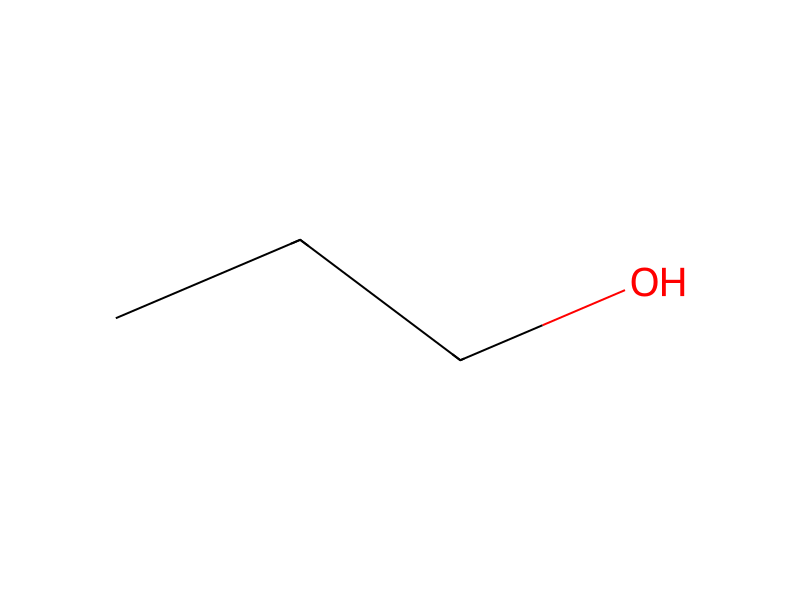
HCID 10311-PropanolSolvent

Procedure

A one-liter Hastelloy C autoclave equipped with a gas dispersion stirrer and cooling coil is charged with 100.0 g (0.5 mole) of the 4,6-dinitro-1,3-benzenediol, 500 ml of n-propanol, ~7.0 g of 10 percent Pd/C and 10.0 ml of H2O. The sealed reactor is charged with 50 psi of H2 and the temperature is brought to 40° C. and maintained between 40° C.-50° C. during the course of the reaction. After a brief induction period, the uptake of hydrogen becomes extremely rapid and H2 pressure is maintained at about atmospheric pressure during the reaction. Upon completion, no further uptake of H2 is observed. The reactor is cooled to room temperature, opened and 300 ml of concentrated HCl containing ~10 g of SnCl2.2H2O is added to the reaction mixture. The crude product with the catalyst is isolated by filtration. This material is dissolved in 200 g of H2O at 85° C. and the catalyst is removed by filtration. H2O (100-300 ml) is added to the filtrate along with 500 ml of HCl and the catalyst-free material is precipitated from the brown solution. Recrystallization may be carried out in the existing solvent or the semi-pure material can be isolated and air dried to afford 100 g of crude diamino resorcinol dihydrochloride (predominantly 4,6-diamino-1,3-benzenediol dihydrochloride in 95.0 mole percent yield based on the 4,6-dinitro-1,3benzenediol.


Workup

  1. temperaturecooling coil
  2. additionThe sealed reactor is charged with 50 psi of H2
  3. customis brought to 40° C.
  4. temperaturemaintained between 40° C.-50° C. during the course of the reaction
  5. temperatureH2 pressure is maintained at about atmospheric pressure during the reaction
  6. customThe crude product with the catalyst is isolated by filtration
  7. customthe catalyst is removed by filtration
  8. additionH2O (100-300 ml) is added to the filtrate along with 500 ml of HCl
  9. customthe catalyst-free material is precipitated from the brown solution
  10. customRecrystallization
  11. customthe semi-pure material can be isolated
  12. customair dried

Sources & evidence

ORD record
ord-eb663b0eba52405c9cd0e0c91bb9bab3
Source dataset
uspto-grants-1991_01
DOI
10.6084/m9.figshare.5104873.v1
Patent number
US04982001

Reaction notes

On this pageParticipantsProcedureWorkupSources & evidenceReaction notes