Reaction equation

C([Li])CCC.Br[C:7]1[CH:12]=[CH:11][C:10]([O:13][CH3:14])=[C:9]([Cl:15])[CH:8]=1.[B:16](OC)([O:19]C)[O:17]C.Cl>C1(C)C=CC=CC=1.O1CCCC1.C(OCC)(=O)C>[Cl:15][C:9]1[CH:8]=[CH:7][C:12]([B:16]([OH:19])[OH:17])=[CH:11][C:10]=1[O:13][CH3:14]Participants
8







Procedure
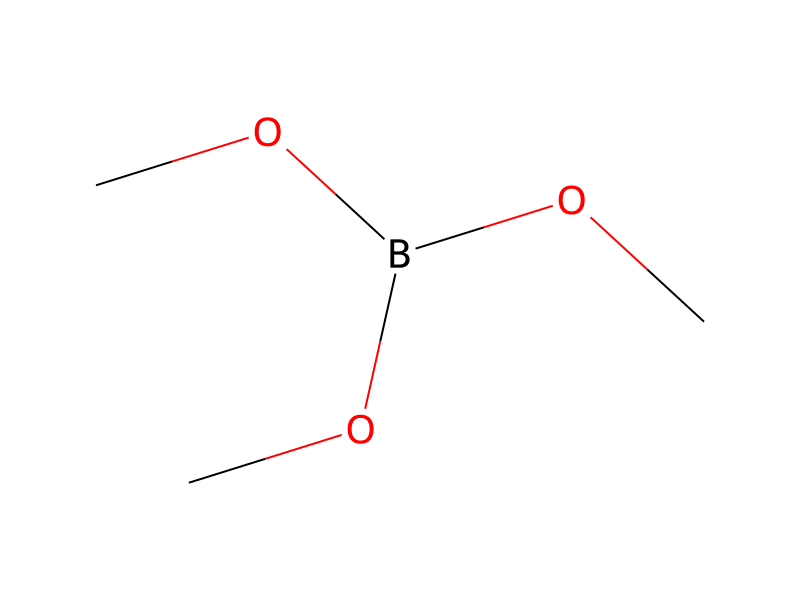
n-Butyllithium (2.76 M, 2.5 mL) was added dropwise to a solution of commercially available 4-bromo-2-chloroanisole (1.0 g) in toluene (8 mL) and tetrahydrofuran (3 mL) at −78° C., and the mixture was stirred as such for 30 minutes. Thereafter, trimethyl borate (1.0 mL) was added and the mixture was stirred at room temperature for 15 minutes. Dilute hydrochloric acid and ethyl acetate were added, followed by extraction with ethyl acetate. The organic layer was dried over anhydrous magnesium sulfate and filtered. The filtrate was concentrated under reduced pressure. The resulting residue was purified by silica gel column chromatography (hexane:ethyl acetate=100:0→98:2) to give the title compound as a colorless powder (535 mg).
Workup
- stirringthe mixture was stirred at room temperature for 15 minutes
- extractionfollowed by extraction with ethyl acetate
- dry with materialThe organic layer was dried over anhydrous magnesium sulfate
- filtrationfiltered
- concentrationThe filtrate was concentrated under reduced pressure
- customThe resulting residue was purified by silica gel column chromatography (hexane:ethyl acetate=100:0→98:2)
Sources & evidence
- ORD record
- ord-127ee59c2c744610a05c65fd6f46695a
- Source dataset
- uspto-grants-2014_09
- Patent number
- US08822503B2
Linked notes
Loading…