Reaction equation

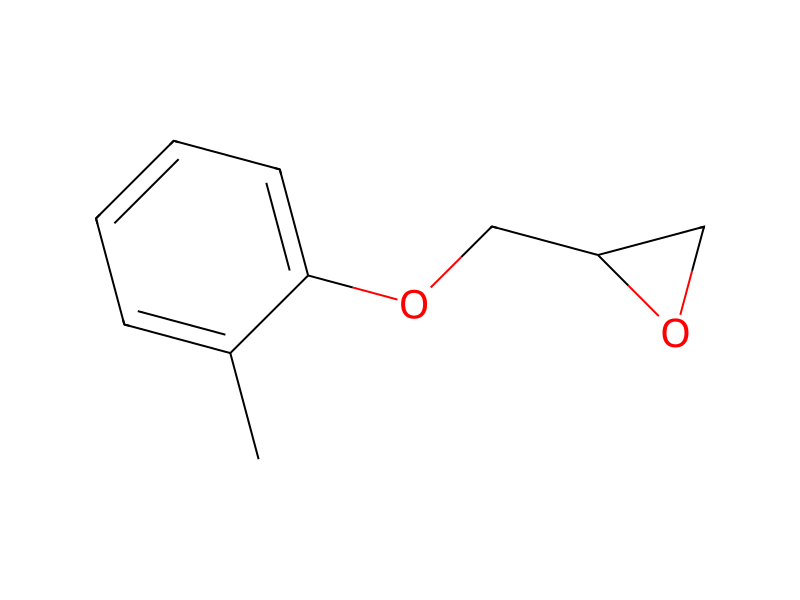
[N:1]1([C:6]2[CH:11]=[CH:10][C:9]([CH2:12][NH2:13])=[CH:8][CH:7]=2)[CH:5]=[CH:4][N:3]=[CH:2]1.C[Si](C)(C)N[Si](C)(C)C.[O:23]1[CH:25]([CH2:26][O:27][C:28]2[CH:33]=[CH:32][CH:31]=[CH:30][C:29]=2[CH3:34])[CH2:24]1.[ClH:35].[OH-].[Na+]>CS(C)=O.O>[ClH:35].[ClH:35].[N:1]1([C:6]2[CH:7]=[CH:8][C:9]([CH2:12][NH:13][CH2:24][CH:25]([OH:23])[CH2:26][O:27][C:28]3[CH:33]=[CH:32][CH:31]=[CH:30][C:29]=3[CH3:34])=[CH:10][CH:11]=2)[CH:5]=[CH:4][N:3]=[CH:2]1Participants
Reactant 5




Product 1

Reagents, catalysts & solvents 2


Procedure
Dissolve 1.74 g (10.04 mmol) of 4-(1H-imidazol-1-yl)-benzenemethanamine in 20 mL of dry DMSO under nitrogen. Add 2.44 mL (11.55 mmol) of hexamethyldisilazane and stir at room temperature for 30 min. After this time, add a solution of 1.73 g (10.54 mmol) of 1,2-epoxy-3-(2-methylphenoxy)propane in 10 mL of DMSO and heat in an oil bath at 60° C. for 42 h. Follow the progress of the reaction by thin-layer chromatography on silica gel (acetonitrile: ammonia (aq), 90:10). At the completion of the reaction, add 6 N hydrochloric acid to pH=1 and then add 4 N sodium hydroxide to pH=12. Dilute this basic mixturewith 20 mL of water and extract with 3×75 mL of methylene chloride. Remove the solvent on the rotary evaporator. Purify this residue by flash chromatography using flash silica gel (Baker) and eluting with a solution of acetonitrile: ammonia hydroxide 98:2. Combine pure fractions and removethe solvent on the rotary evaporator. Dissolve this residue in 50 mL of acetonitrile and remove the solvent on the rotary evaporator. Dissolve this residue in 10 mL of methanol and bubble hydrogen chloride through thesolution until pH=1 is reached. Remove the solvent on the rotary evaporatorand recrystallize the solid from 20 mL of isopropanol to provide the title compound.
Workup
- temperatureheat in an oil bath at 60° C. for 42 h
- customthe progress of the reaction by thin-layer chromatography on silica gel (acetonitrile: ammonia (aq), 90:10)
- customAt the completion of the reaction
- extractionextract with 3×75 mL of methylene chloride
- customRemove the solvent
- customon the rotary evaporator
- customPurify this residue by flash chromatography
- washeluting with a solution of acetonitrile: ammonia hydroxide 98:2
- customCombine pure fractions and removethe solvent on the rotary evaporator
- dissolutionDissolve this residue in 50 mL of acetonitrile
- customremove the solvent
- customon the rotary evaporator
- dissolutionDissolve this residue in 10 mL of methanol
- custombubble hydrogen chloride through thesolution until pH=1
- customRemove the solvent on the rotary evaporatorand
- customrecrystallize the solid from 20 mL of isopropanol
Sources & evidence
- ORD record
- ord-7714465f0331494c892e535d29bba125
- Source dataset
- uspto-grants-1991_09
- Patent number
- US05051423
Linked notes
Loading…