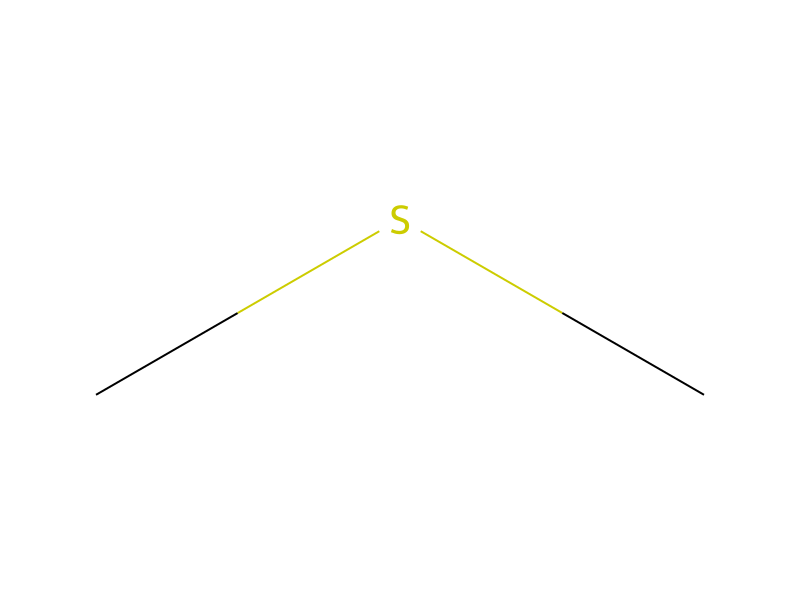
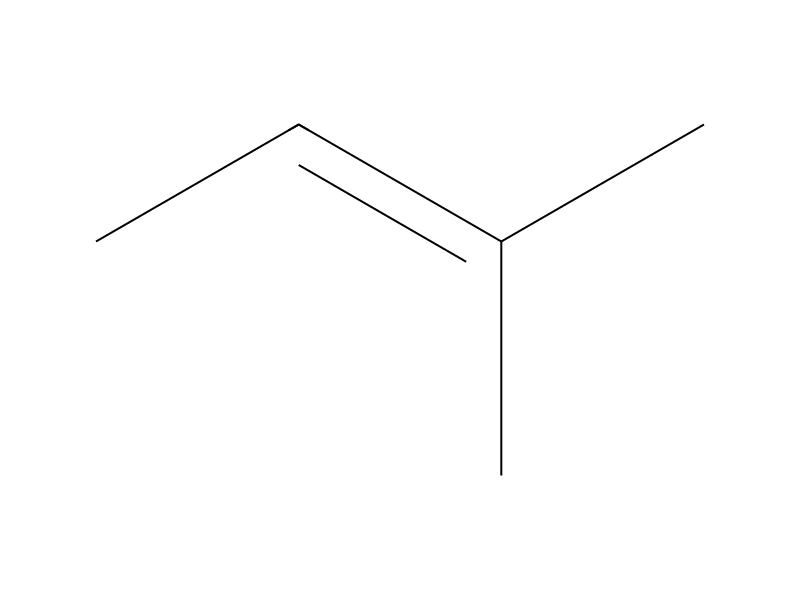
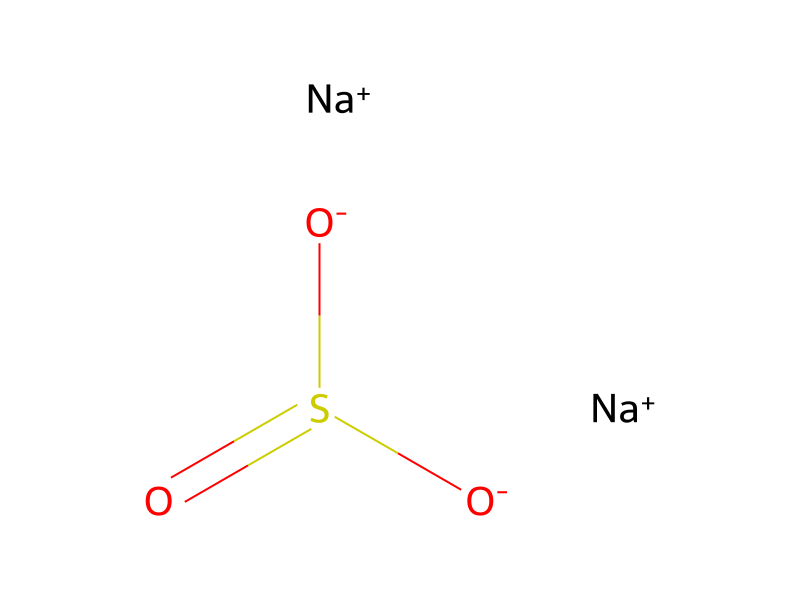
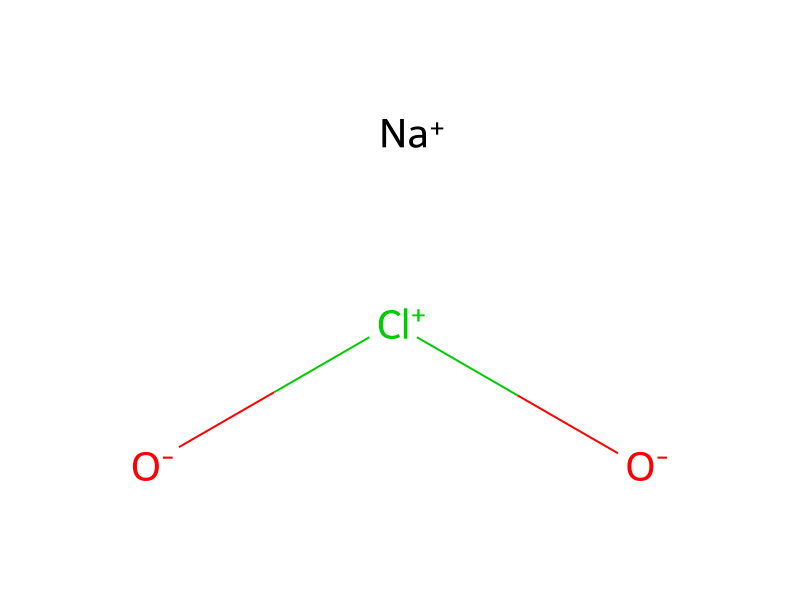
The crude olefin 1a (315 mg, 1.02 mmol) was dissolved in 15 ml of methanol and cooled to −75° C. A constant flow (50 l/h) of ozone was introduced at a temperature around −70° C. After about 10 minutes all starting material was consumed a blue colour appeared. The solution was then purged with nitrogen and dimethylsulfide (0.375 ml, 5.1 mmol) was added. The cooling bath was removed and stirring continued for 2 hours. The solvents were evaporated and the crude oil redissolved in 7 ml of t-butanol. A solution of sodium dihydrogenphosphate monohydrate (423 mg, 3.06 mmol) in 2 ml of water was added, followed by 2-methyl-2-butene (0.54 ml, 5.1 mmol) and sodium chlorite (185 mg, 2.04 mmol) in 2 ml of water. The mixture turns yellow and an exothermic reaction is observed (eventual cooling with ice-bath may be required for large scale reactions). After 1 hour the reaction had ceased and the colourless solution was treated with sodium sulfite (129 mg, 1.02 mmol) in 2 ml of water. Most of the solvents were then evaporated and the residue was partitioned between diethyl ether and 1N-HCl. The organic layer was separated and extracted twice with 1N-NaOH. The aqueous layers were combined, acidified with cold concentrated HCl and extracted three times with diethyl ether. The combined organic layers were then washed with water and brine and dried over anhydrous sodium sulfate. After evaporation a white foam was obtained. Yield (crude): 318 mg (95 %).