Reaction equation

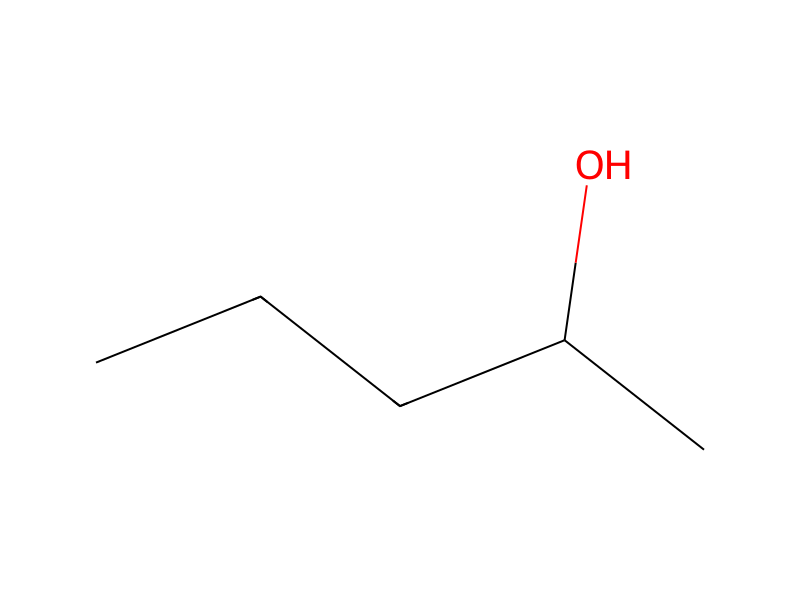
Cl.[Cl:2][C:3]1[C:12]2[C:7](=[CH:8][C:9]([O:15][CH2:16][CH2:17][CH2:18][N:19]3[CH2:24][CH2:23][O:22][CH2:21][CH2:20]3)=[C:10]([O:13][CH3:14])[CH:11]=2)[N:6]=[N:5][CH:4]=1.[Cl:25][C:26]1[CH:32]=[CH:31][C:29]([NH2:30])=[C:28]([F:33])[CH:27]=1.C(O)(C)C>CC(O)CCC.Cl>[ClH:2].[Cl:25][C:26]1[CH:32]=[CH:31][C:29]([NH:30][C:3]2[C:12]3[C:7](=[CH:8][C:9]([O:15][CH2:16][CH2:17][CH2:18][N:19]4[CH2:24][CH2:23][O:22][CH2:21][CH2:20]4)=[C:10]([O:13][CH3:14])[CH:11]=3)[N:6]=[N:5][CH:4]=2)=[C:28]([F:33])[CH:27]=1Participants
6
Reactant 3


Product 1

Reagents, catalysts & solvents 2

Conditions
- Temperature
- 120 °C
Procedure
A solution of 4-chloro-6-methoxy-7-(3-morpholinopropoxy)cinnoline hydrochloride (150 mg, 0.36 mmol), (prepared as described for the starting material in Example 12), 4-chloro-2-fluoroaniline (77 mg, 0.53 mmol) in 2-pentanol (4 ml) and 5M isopropanolic hydrogen chloride (1 ml) was heated at 120° C. for 1 hour. The mixture was allowed to cool and isopropanol was added. The resulting precipitate was collected by filtration, washed with ether and dried under vacuum to give 4-(4-chloro-2-fluoroanilino)-6-methoxy-7-(3-morpholinopropoxy)cinnoline hydrochloride (185 mg, 98%).
Workup
- temperatureto cool
- filtrationThe resulting precipitate was collected by filtration
- washwashed with ether
- customdried under vacuum
Sources & evidence
- ORD record
- ord-0b7086452ac64a56a87f5db7ea740a99
- Source dataset
- uspto-grants-2006_08
- Patent number
- US07087602B2
Linked notes
Loading…