Bromobenzene → Di(2-pyridyl)phenylmethanol
HRID 80310
Reaction equation

C1(C2C=CC=CC=2CO)C2C(=CC=CC=2)C=CC=1.[Mg].Br[C:21]1[CH:26]=[CH:25][CH:24]=[CH:23][CH:22]=1.[N:27]1[CH:32]=[CH:31][CH:30]=[CH:29][C:28]=1[C:33]([C:35]1[CH:40]=[CH:39][CH:38]=[CH:37][N:36]=1)=[O:34]>>[N:27]1[CH:32]=[CH:31][CH:30]=[CH:29][C:28]=1[C:33]([C:35]1[CH:40]=[CH:39][CH:38]=[CH:37][N:36]=1)([C:21]1[CH:26]=[CH:25][CH:24]=[CH:23][CH:22]=1)[OH:34]Participants
5
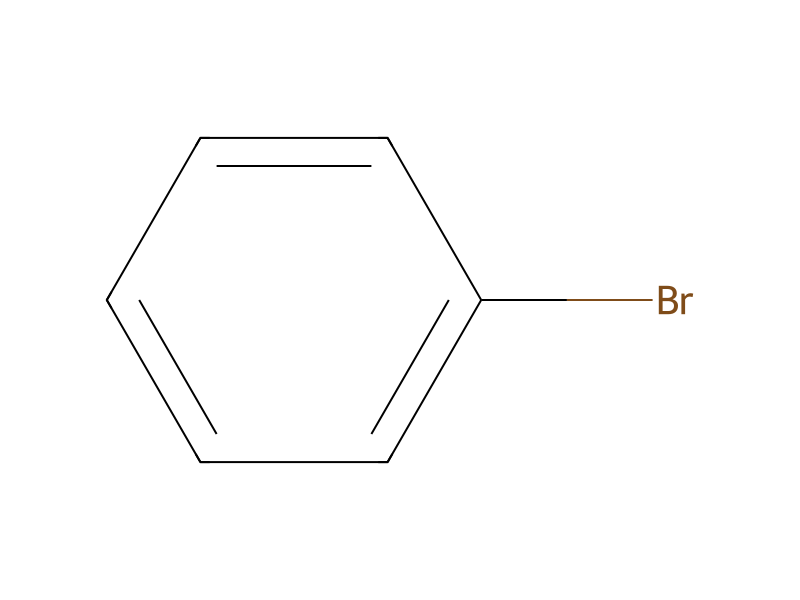




Procedure
With the same method as for Compound 13, a Grignard reagent was prepared from magnesium (Wako Pure Chemical Industries, Ltd.) and bromobenzene (Wako Pure Chemical Industries, Ltd.), and di-2-pyridyl ketone (Aldrich) was allowed to react with the reagent, to thereby obtain the title compound.