HomeMCPWorkbenchSkills
HomeWorkbenchNotificationsMe
llms.txt · MCP GuidePrivacy Policy · Terms of Service · Supportv1.8.0
  1. Home
  2. /Reaction

Potassium Carbonate → Butyl 6-[N-(5-bromo-2-cyclopropylmethoxybenzyl)-N-ethylamino]pyridazine-3-carboxylate

HRID 840306
Notes
Print preview

Reaction equation

HRID 840306 reaction equation
[Br:1][C:2]1[CH:3]=[CH:4][C:5]([OH:25])=[C:6]([CH:24]=1)[CH2:7][N:8]([C:11]1[N:16]=[N:15][C:14]([C:17]([O:19][CH2:20][CH2:21][CH2:22][CH3:23])=[O:18])=[CH:13][CH:12]=1)[CH2:9][CH3:10].Br[CH2:27][CH:28]1[CH2:30][CH2:29]1.C(=O)([O-])[O-].[K+].[K+]>CN(C=O)C>[Br:1][C:2]1[CH:3]=[CH:4][C:5]([O:25][CH2:27][CH:28]2[CH2:30][CH2:29]2)=[C:6]([CH:24]=1)[CH2:7][N:8]([C:11]1[N:16]=[N:15][C:14]([C:17]([O:19][CH2:20][CH2:21][CH2:22][CH3:23])=[O:18])=[CH:13][CH:12]=1)[CH2:9][CH3:10]
ParticipantsProcedureWorkupSources & evidenceReaction notes

Participants

5

Reactant 3

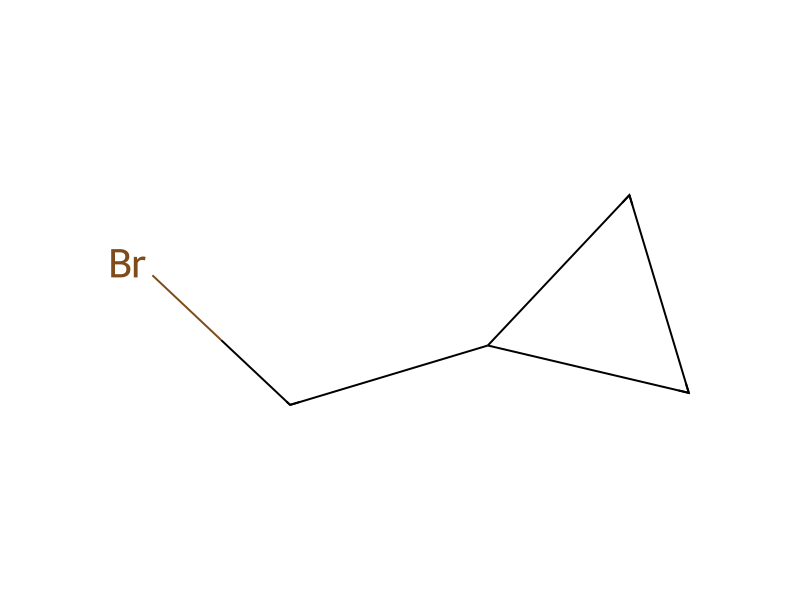
HCID 11430Potassium CarbonateHCID 81503BromomethylcyclopropaneHCID 22622486butyl 6-[N-(5-bromo-2-hydroxybenzyl)-N-ethylamino]pyridazine-3-carboxylate

Product 1

HCID 22622526Butyl 6-[N-(5-bromo-2-cyclopropylmethoxybenzyl)-N-ethylamino]pyridazine-3-carboxylateYield 94%

Reagents, catalysts & solvents 1

HCID 6228
Dimethylformamide
Solvent

Procedure

A solution of n-butyl 6-[N-(5-bromo-2-hydroxybenzyl)-N-ethylamino]pyridazine-3-carboxylate (reference example 3) (0.286 g, 0.69 mmol) in DMF (3.5 ml) was treated with bromomethylcyclopropane (0.1 g, 0.78 mmol) and potassium carbonate (0.473 g, 3.4 mmol). The reaction was allowed to stir at ambient temperature for 60 hours. The solvent was evaporated at reduced pressure (vacuum pump) and the residue partitioned between ethyl acetate and water. The aqueous layer was extracted with ethyl acetate (2×10 ml). The organic layers were combined dried (MgSO4) and evaporated. The residue was purified by chromatography (eluant: ethyl acetate/hexane) to give the title compound as a pale yellow oil (0.3 g, 94%).

Workup

  1. customThe solvent was evaporated at reduced pressure (vacuum pump)
  2. customthe residue partitioned between ethyl acetate and water
  3. extractionThe aqueous layer was extracted with ethyl acetate (2×10 ml)
  4. dry with materialThe organic layers were combined dried (MgSO4)
  5. customevaporated
  6. customThe residue was purified by chromatography (eluant: ethyl acetate/hexane)

Sources & evidence

ORD record
ord-c544195f912746329dcded2cec30e8f5
Source dataset
uspto-grants-2002_04
DOI
10.6084/m9.figshare.5104873.v1
Patent number
US06365603B1

Reaction notes

Loading…

On this pageParticipantsProcedureWorkupSources & evidenceReaction notes