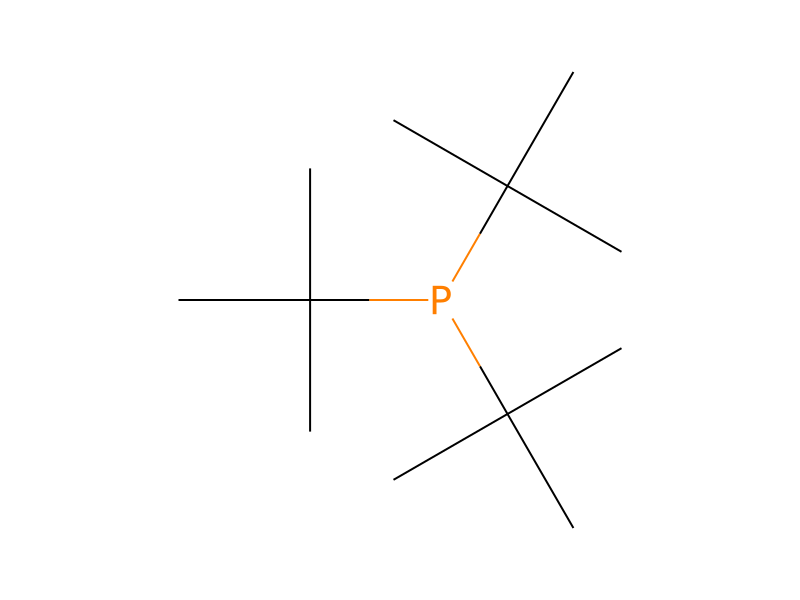
Cl[C:2]1[C:11]2[C:6](=[CH:7][CH:8]=[CH:9][CH:10]=2)[CH:5]=[CH:4][N:3]=1.[F:12][C:13]1[CH:14]=[C:15](B(O)O)[CH:16]=[CH:17][C:18]=1[CH3:19].C([O-])([O-])=O.[Cs+].[Cs+].P(C(C)(C)C)(C(C)(C)C)C(C)(C)C>CC([O-])=O.CC([O-])=O.[Pd+2].ClCCl.O1CCOCC1>[F:12][C:13]1[CH:14]=[C:15]([C:2]2[C:11]3[C:6](=[CH:7][CH:8]=[CH:9][CH:10]=3)[CH:5]=[CH:4][N:3]=2)[CH:16]=[CH:17][C:18]=1[CH3:19]500 ml of degassed dioxane were initially charged and admixed with 10.0 g (61.14 mmol) of 1-chloroisoquinoline, 18.8 g (122.0 mmol, 2.0 eq.) of 3-fluoro-4-methylbenzeneboronic acid and 24.0 g (73.66 mmol, 1.2 eq.) of Cs2CO3. The reaction mixture was degassed for 10 min and admixed with 1.25 ml (5.49 mmol, 9 mol %) of t-Bu3P and 0.412 g (1.83 mmol, 3 mol %) of Pd(OAc)2. The mixture was stirred at 105° C. for 18 h, subsequently admixed with 400 ml of dichloromethane and washed three times with 200 ml of NaHCO3 solution and water. Subsequently, the mixture was filtered through Celite, dried over MgSO4 and concentrated under reduced pressure. The viscous oil was columned on silica gel with ethyl acetate/heptane (1:5). 10.47 g were obtained, corresponding to 72.2% of theory, with a purity of 99.5%.
Loading…