Reaction equation

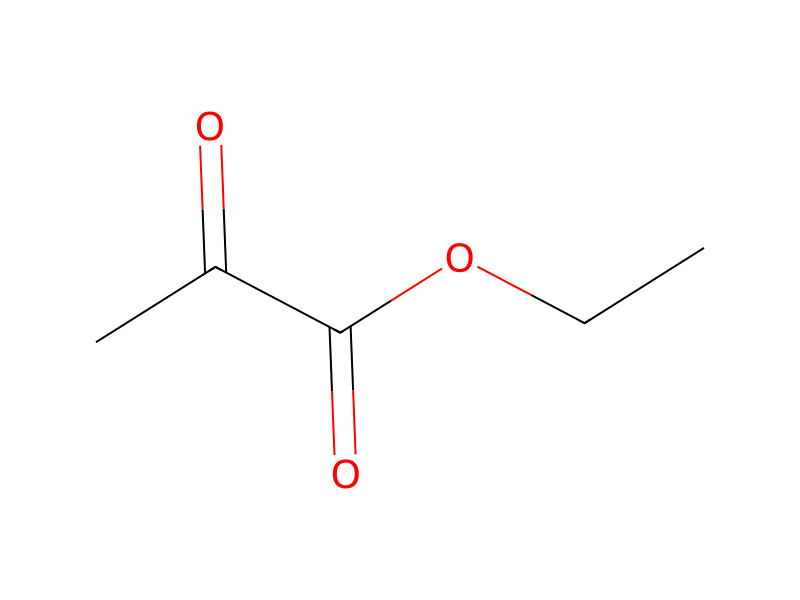
[F:1][C:2]1[C:7]([F:8])=[C:6]([F:9])[CH:5]=[CH:4][C:3]=1[N+:10]([O-])=O.[C:13]([O:18][CH2:19][CH3:20])(=[O:17])[C:14]([CH3:16])=O.Cl>C(O)C.[Pd]>[F:1][C:2]1[C:7]([F:8])=[C:6]([F:9])[CH:5]=[CH:4][C:3]=1[NH:10][CH:14]([CH3:16])[C:13]([O:18][CH2:19][CH3:20])=[O:17]Participants
6
Reactant 3


Product 1

Reagents, catalysts & solvents 2


Conditions
- Temperature
- 40 °C
Procedure
2,3,4-Trifluoronitrobenzene (1.01 g) and ethyl pyruvate (1.15 g) were dissolved in ethanol (8 ml). After adding 5% Pd—C (0.11 g) and conc. hydrochloric acid (0.03 g), the mixture was stirred at 40° C. under a hydrogen gas pressure of 2.94 MPa for 3 hours. After filtering off Pd—C, the obtained filtrate was concentrated under reduced pressure. Thus the title compound (1.38 g) was obtained as slightly yellow oily substance. Various spectral data of this product was identical with those obtained in Example 7.
Workup
- filtrationAfter filtering off Pd—C
- concentrationthe obtained filtrate was concentrated under reduced pressure
Sources & evidence
- ORD record
- ord-70f6d86b6a29466c9e871d6a54e57035
- Source dataset
- uspto-grants-2006_08
- Patent number
- US07087778B2
Linked notes
Loading…