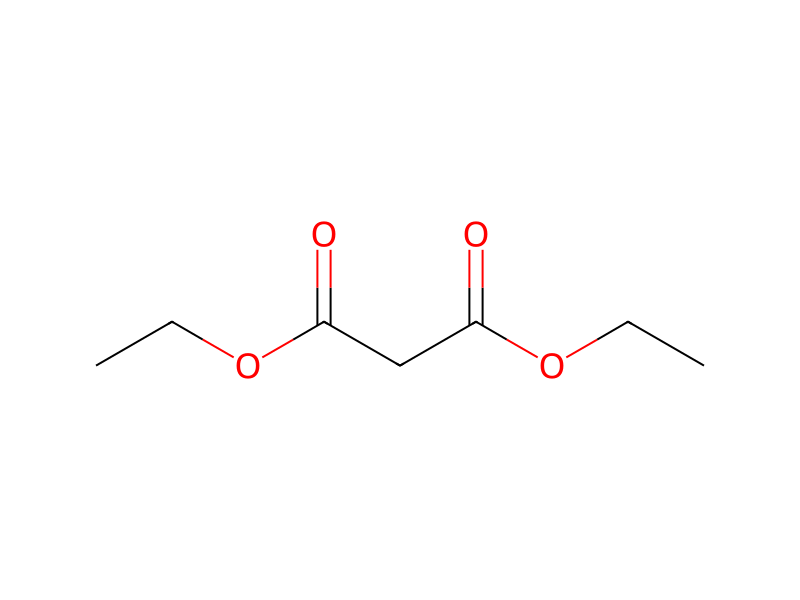
In a solution of 4.50 g of diethyl malonate in 20 ml of N,N-dimethylformamide was gradually added 1.10 g of 62.4% sodium hydride at room temperature, and stirring was continued at room temperature until hydrogen evolution ceased. The reaction solution was heated to 80° C., and a solution of 6.70 g of N-benzylisatoic anhydride in 20 ml of N,N-dimethylformamide was added dropwise. After the addition, the reaction mixture was stirred under heating at 120° C. for 7 hours. After cooling to room temperature, the reaction mixture was poured into ice water and washed with ethyl acetate. The aqueous phase was made acidic with 1 N hydrochloric acid, and extracted with ethyl acetate. The organic phase was washed with a saturated aqueous sodium chloride solution, and dried over anhydrous magnesium sulfate. After removal of the drying agent by filtration, the filtrate was concentrated under reduced pressure. The residue was crystallized from ethanol to give 5.88 g of ethyl 1-benzyl-4-hydroxy-1,2-dihydro-2-oxoquinoline-3-carboxylate.