Reaction equation

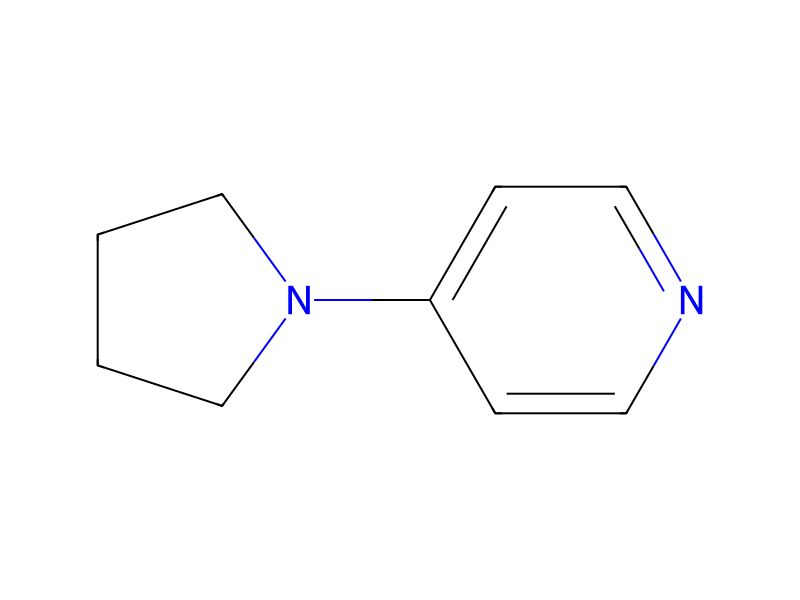
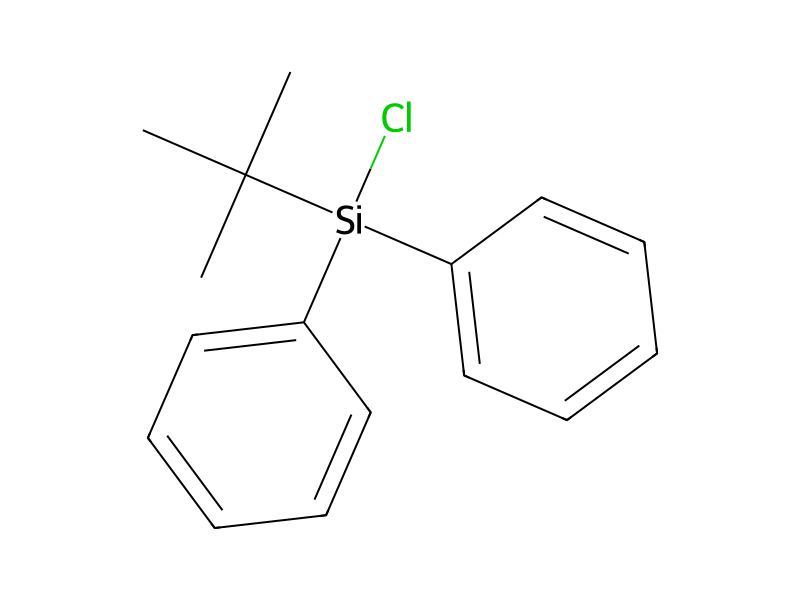
[OH:1][CH2:2][C:3]1[CH:4]=[C:5]([CH:8]=[CH:9][CH:10]=1)[CH:6]=[O:7].[C:11]([Si:15](Cl)([C:22]1[CH:27]=[CH:26][CH:25]=[CH:24][CH:23]=1)[C:16]1[CH:21]=[CH:20][CH:19]=[CH:18][CH:17]=1)([CH3:14])([CH3:13])[CH3:12].N1(C2C=CN=CC=2)CCCC1>C(Cl)Cl.C(N(CC)CC)C>[Si:15]([O:7][CH2:6][C:5]1[CH:4]=[C:3]([CH:10]=[CH:9][CH:8]=1)[CH:2]=[O:1])([C:11]([CH3:14])([CH3:13])[CH3:12])([C:22]1[CH:23]=[CH:24][CH:25]=[CH:26][CH:27]=1)[C:16]1[CH:21]=[CH:20][CH:19]=[CH:18][CH:17]=1Participants
6
Reactant 3

Product 1

Reagents, catalysts & solvents 2


Procedure
To a solution of 3-hydroxymethylbenzaldehyde (step 1) (3 g) in methylene chloride (15 mL) and triethylamine (4.1 mL) was slowly added t-butylchlorodiphenylsilane (8 mL). Finally, a few mgs of 4-pyrrolidinopyridine was added as a catalyst. The reaction mixture was stirred overnight at room temperature The solution was quenched with 25% ammonium acetate and extracted with ethyl acetate, which was washed with brine (2x), dried over sodium sulfate, filtered and evaporated to dryness. Purification by flash chromatography, using 4% ethyl acetate in hexane afforded the title compound.
Workup
- customwas quenched with 25% ammonium acetate
- extractionextracted with ethyl acetate, which
- washwas washed with brine (2x)
- dry with materialdried over sodium sulfate
- filtrationfiltered
- customevaporated to dryness
- customPurification by flash chromatography
Sources & evidence
- ORD record
- ord-70b674dde4cd4a08bed0f79876742ad5
- Source dataset
- uspto-grants-1992_08
- Patent number
- US05136034
Linked notes
Loading…