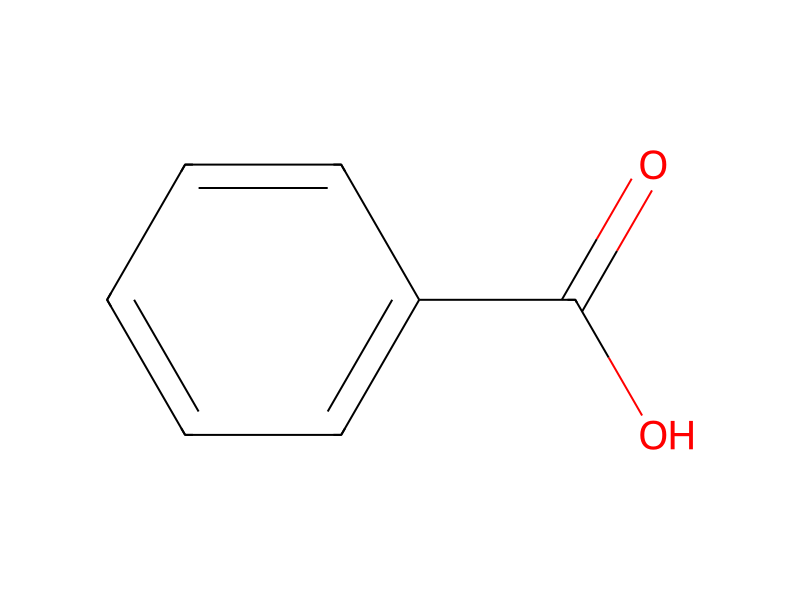
(3R,4R)-[1-Benzyloxycarbonyl-4-hydroxypyrrolidin-3-yl]methanol (2.50 g), triphenylphosphine (5.74 g), and benzoic acid (2.55 g) were dissolved in tetrahydrofuran (60 mL). While this solution was cooled on a sodium chloride/ice bath, azodicarboxylic acid diethyl ester (40% toluene solution, 9.53 mL) was added dropwise. The mixture was stirred for 1 hour at 0° C. or below and then for additional 2 hours at room temperature and was subsequently concentrated under reduced pressure. The resulting residue was purified on a silica gel column (eluant=hexane:ethyl acetate=2:1). The eluted pale brown tar-like material was dissolved in ethanol (60 mL). To this solution, potassium carbonate (4.07 g) dissolved in water (30 mL) was added and the mixture was heat-refluxed for 3 hours while being stirred. Subsequently, the reaction mixture was concentrated under reduced pressure, and the resulting residue was dissolved in dichloromethane (200 mL). The dichloromethane solution was washed with a saturated aqueous solution of sodium chloride (2×50 mL), was dried over anhydrous sodium sulfate, and was then concentrated under reduced pressure. The resulting residue was purified on a silica gel column (eluant=ethyl acetate: methanol=10:1) to give 2.04 g of (3R,4S)-[1-benzyloxycarbonyl-4-hydroxypyrrolidin-3-yl]methanol as a milky white syrup-like product.