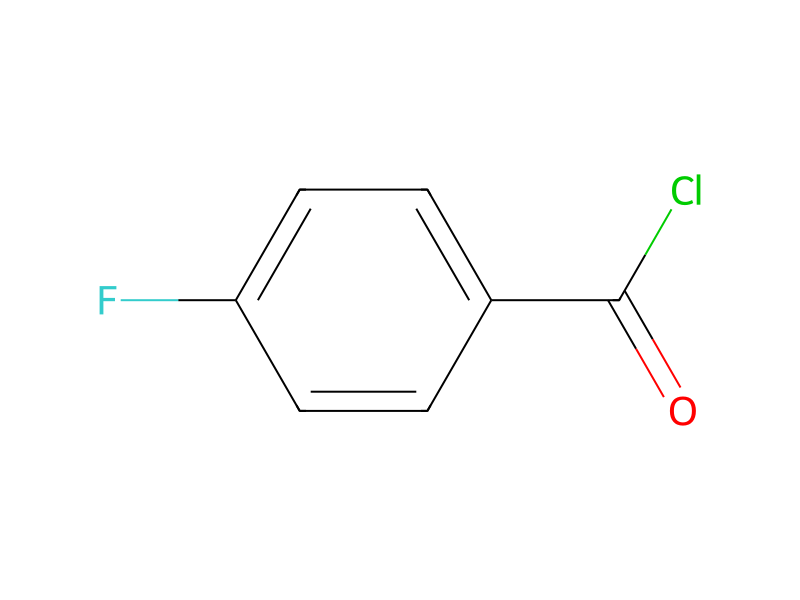
[Cl-].[Mg+2].[Cl-].[O:4]=[C:5]([CH2:12][C:13]1[CH:18]=[CH:17][CH:16]=[CH:15][CH:14]=1)[CH2:6][C:7]([O:9][CH2:10][CH3:11])=[O:8].[F:19][C:20]1[CH:28]=[CH:27][C:23]([C:24](Cl)=[O:25])=[CH:22][CH:21]=1.Cl>O1CCCC1.C(OCC)(=O)C.N1C=CC=CC=1>[F:19][C:20]1[CH:28]=[CH:27][C:23]([C:24]([CH:6]([C:5](=[O:4])[CH2:12][C:13]2[CH:14]=[CH:15][CH:16]=[CH:17][CH:18]=2)[C:7]([O:9][CH2:10][CH3:11])=[O:8])=[O:25])=[CH:22][CH:21]=1To a suspensin of magnesium chloride (1.46 g) in tetrahydrofuran (10 ml) was added a solution of ethyl 3-oxo-4-phenylbutanoate (2.0 g) in tetrahydrofuran (10 ml) and the mixture was cooled to 0° C., then pyridine (2.5 ml) was added. The mixture was stirred at 20° C. for 30 minutes, then a solution of 4-fluorobenzoyl chloride (2.44 g) in tetrahydrofuran (10 ml) was added at 0° C. After stirring at 20° C. for 2 hours, the mixure was partitoned between 0.5N hydrochloric acid and ethyl acetate. The organic layer was separated, washed with water and brine, dried over magnesium sulfate, and evaporated. The residue was chromatographed on silica gel eluting with a mixture of ethyl acetate and hexane (1:5) to give ethyl 2-(4-fluorobenzoyl)-3-oxo-4-phenylbutanoate (2.15 g) as an oil.