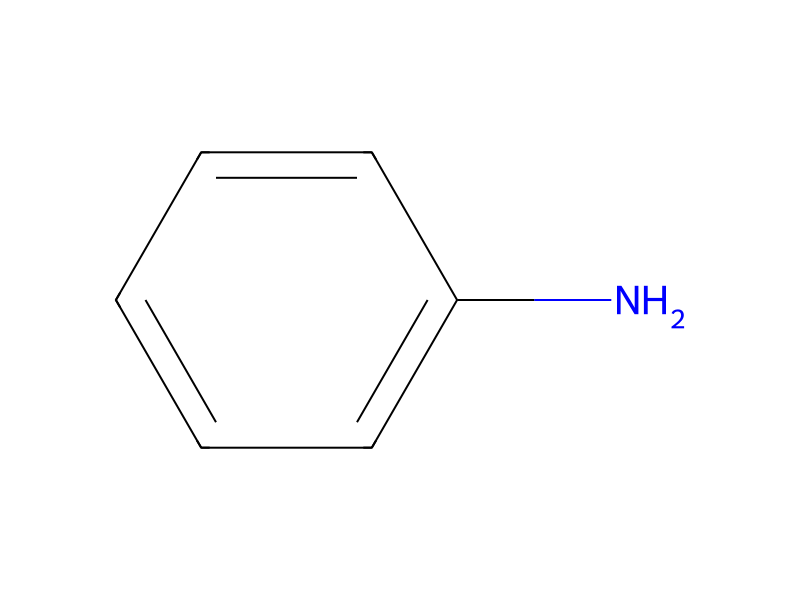
Under argon and at RT, 32.4 ml (400 mmol, 2 eq.) of pyridine, 2.4 g (20 mmol, 0.1 eq.) of 4-dimethylaminopyridine and, dropwise, a solution of 44.1 g (200 mmol, 1.0 eq.) of 5-bromopyridine-3-carbonyl chloride in 200 ml of DMF were added to a solution of 18.6 g (200 mmol) of aniline in 500 ml of tetrahydrofuran. After 3 h, the reaction mixture was concentrated under reduced pressure. The residue was suspended in water/dichloromethane and the solid was stirred well, washed repeatedly with water and dichloromethane and dried under reduced pressure. Yield: 35.7 g (52% of theory) After phase separation of the mother liquor, the organic phase was extracted twice with dichloromethane. The combined organic phases were dried (sodium sulphate), filtered and concentrated under reduced pressure. The residue was purified by flash chromatography (silica gel, dichloromethane/methanol 100:1), which gave 11.7 g (18% of theory) of Example 14A.