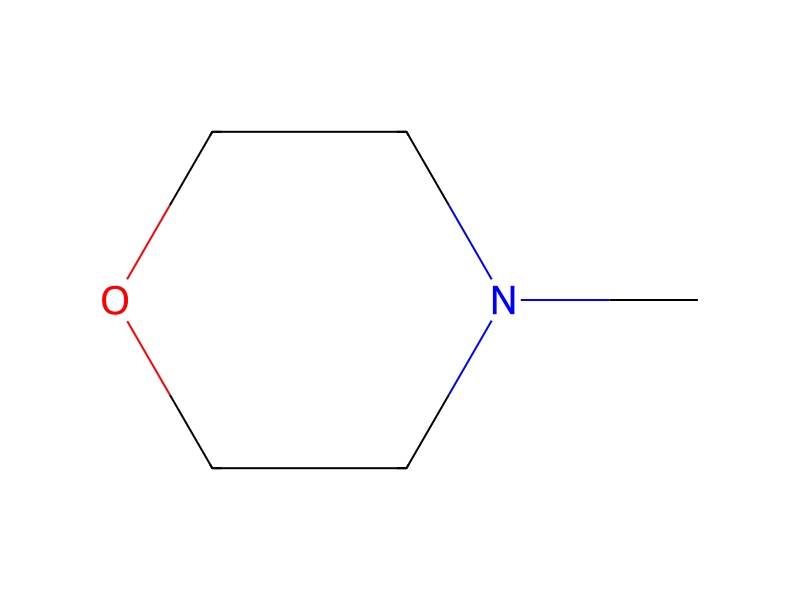
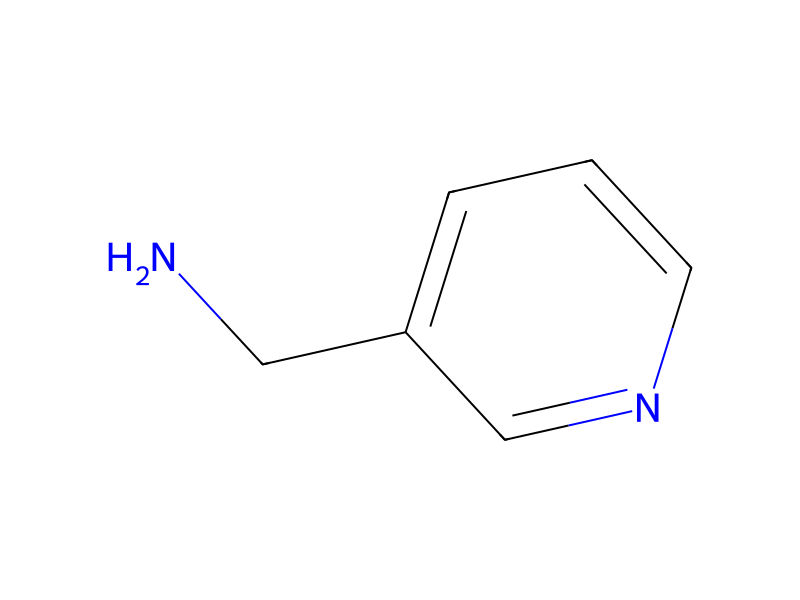
To a solution of 2-bromo-4-methylthiazole-5-carboxylic acid (2.25 g, 10.0 mmol) and 4-methylmorpholine (1.25 g, 11.0 mmol) in anhydrous dichloromethane (80 mL) was added isobutylchloroformate (1.33 mL, 10.0 mmol) dropwise at 0° C. After stirring at ambient temperature for 2 hours, the reaction mixture was cooled to 0° C. and pyridin-3-ylmethanamine (1.23 g, 12.0 mmol) was added dropwise. The reaction mixture was stirred at ambient temperature for 4 hours, diluted with ethyl acetate (100 mL) and washed with saturated aqueous sodium bicarbonate (50 mL) and brine (50 mL). The organic layer was dried over anhydrous sodium sulfate, filtered and the filtrate was concentrated in vacuo. The residue was purified by column chromatography (ethyl acetate) to afford the title compound as a yellow solid (1.78 g, 56%): 1H NMR (300 MHz, CDCl3) δ 8.51 (d, J=2.5 Hz, 2H), 7.67 (td, J=7.8, 1.9 Hz, 1H), 7.29-7.26 (m, 1H), 6.36 (br s, 1H), 4.56 (d, J=5.9 Hz, 2H), 2.63 (s, 3H); MS (ES+) m/z 312.1 (M+1), 314.1 (M+1).