HomeMCPWorkbenchSkills
HomeWorkbenchNotificationsMe
llms.txt · MCP GuidePrivacy Policy · Terms of Service · Supportv1.8.3
  1. Home
  2. /Reaction

Water → 2-Fluoro-4-(3-hydroxy-3-methyl-but-1-ynyl)-benzonitrile

HRID 906841
Print

Reaction equation

HRID 906841 reaction equation
Br[C:2]1[CH:9]=[CH:8][C:5]([C:6]#[N:7])=[C:4]([F:10])[CH:3]=1.C([O-])([O-])=O.[K+].[K+].O.[CH3:18][C:19]([OH:23])([C:21]#[CH:22])[CH3:20]>[Pd].COCCOC.[Cu]I.Cl[Pd]Cl.C1(P(C2C=CC=CC=2)C2C=CC=CC=2)C=CC=CC=1>[F:10][C:4]1[CH:3]=[C:2]([C:22]#[C:21][C:19]([OH:23])([CH3:20])[CH3:18])[CH:9]=[CH:8][C:5]=1[C:6]#[N:7]
ParticipantsConditionsProcedureWorkupSources & evidenceReaction notes

Participants

10

Reactant 4

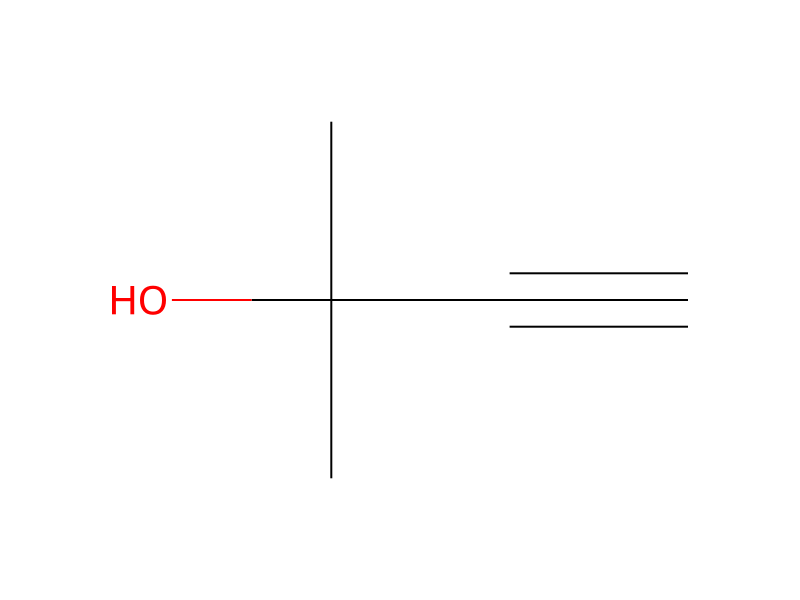
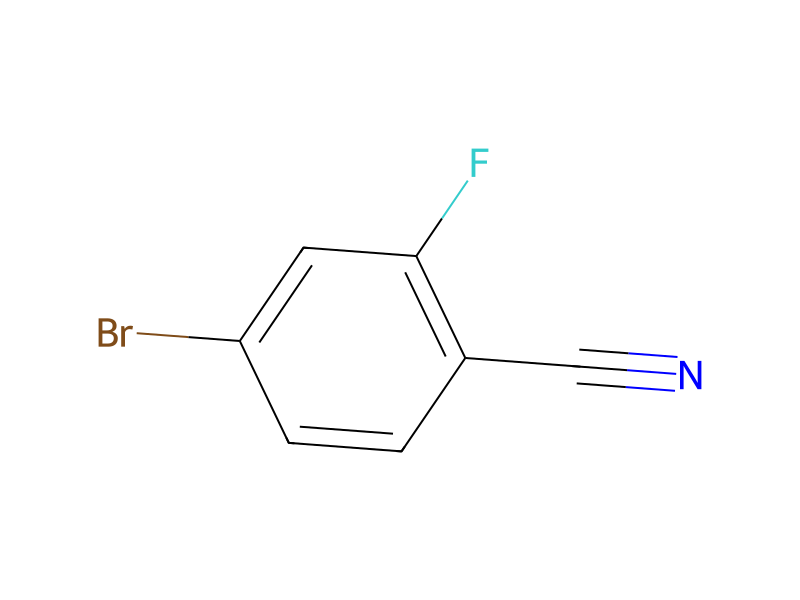
HCID 962WaterHCID 82582-Methyl-3-butyn-2-olHCID 11430Potassium CarbonateHCID 7360294-Bromo-2-fluorobenzonitrile2×

Product 1

HCID 575318852-Fluoro-4-(3-hydroxy-3-methyl-but-1-ynyl)-benzonitrileYield 98.4%

Reagents, catalysts & solvents 5

HCID 11776
Triphenylphosphine
Catalyst
HCID 23938PalladiumCatalyst
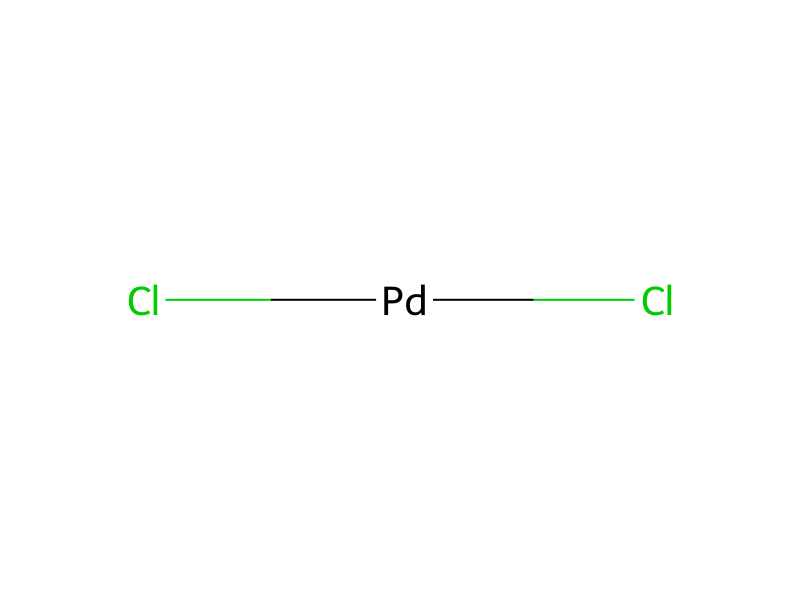
HCID 24290Palladium ChlorideCatalyst
HCID 24350Copper(1+) iodide; Copper(I) iodide; Cuprous iodide; Cuprous iodide (CuI)Catalyst
HCID 80711,2-DimethoxyethaneSolvent

Conditions

Temperature
80 °C

Procedure

A mixture of 4-bromo-2-fluoro-benzonitrile (2.6 g, 13 mmol), 10% palladium on carbon (300 mg), triphenylphosphine (300 mg, 1.2 mmol), CuI (108 mg, 0.57 mmol), and K2CO3 (4.55 g, 33 mmol), was prepared in 1,2-dimethoxyethane (20 mL), and H2O (20 mL). The resulting suspension was stirred under nitrogen for 30 minutes, and was then treated with 2-methyl-but-3-yn-2-ol (2.6 mL, 27 mmol). The reaction was then heated in an 80° C. oil bath. After stirring for 15 hours at 80° C., TLC analysis of the reaction mixture showed some of the starting 4-bromo-2-fluoro-benzonitrile remaining. A small amount of PdCl2 was then added in an attempt to drive the reaction to completion. After an additional 2 hr stirring at 80° C. the TLC had changed very little. The reaction mixture was allowed to cool to ambient temperature, and was filtered through a pad of Celite. The Celite pad was washed thoroughly with EtOAc, and the filtrate was diluted with EtOAc and H2O. The layers were separated and the aqueous was extracted with EtOAc (2×50 mL). The combined organic layers were washed with brine, dried over Na2SO4, filtered, and concentrated under reduced pressure to afford a dark oil. The crude material was purified by flash chromatography eluting with a gradient from 10% to 40% ethyl acetate/hexane to afford 2-fluoro-4-(3-hydroxy-3-methyl-but-1-ynyl)-benzonitrile (2.60 g, 98% yield) as a yellow oil. 1H-NMR (400 MHz, CDCl3): δ 7.58-7.53 (1H, m), 7.30-7.22 (2H, m), 2.10 (1H, s), 1.62 (6H, s).


Workup

  1. stirringAfter stirring for 15 hours at 80° C.
  2. customthe reaction to completion
  3. stirringAfter an additional 2 hr stirring at 80° C. the TLC
  4. temperatureto cool to ambient temperature
  5. filtrationwas filtered through a pad of Celite
  6. washThe Celite pad was washed thoroughly with EtOAc
  7. additionthe filtrate was diluted with EtOAc and H2O
  8. customThe layers were separated
  9. extractionthe aqueous was extracted with EtOAc (2×50 mL)
  10. washThe combined organic layers were washed with brine
  11. dry with materialdried over Na2SO4
  12. filtrationfiltered
  13. concentrationconcentrated under reduced pressure
  14. customto afford a dark oil
  15. customThe crude material was purified by flash chromatography
  16. washeluting with a gradient from 10% to 40% ethyl acetate/hexane

Sources & evidence

ORD record
ord-588090a522e941238261c4f93c778b32
Source dataset
uspto-grants-2011_09
DOI
10.6084/m9.figshare.5104873.v1
Patent number
US08013001B2

Reaction notes

On this pageParticipantsConditionsProcedureWorkupSources & evidenceReaction notes