HomeMCPWorkbenchSkills
HomeWorkbenchNotificationsMe
llms.txt · MCP GuidePrivacy Policy · Terms of Service · Supportv1.8.3
  1. Home
  2. /Reaction

Ethyl bromoacetate → Carbamate

HRID 907483
Print

Reaction equation

HRID 907483 reaction equation
Br[CH2:2][C:3]([O:5][CH2:6][CH3:7])=[O:4].[CH2:8]([NH2:11])[CH:9]=[CH2:10].C([N:14](CC)CC)C.C([O:26][C:27](Cl)=[O:28])C1C=CC=CC=1.[OH-].[Na+]>ClCCl.[Cl-].[Na+].O>[CH2:6]([O:5][C:3](=[O:4])[CH2:2][NH:11][CH2:8][CH:9]=[CH2:10])[CH3:7].[C:27](=[O:28])([O-:26])[NH2:14]
ParticipantsConditionsProcedureWorkupSources & evidenceReaction notes

Participants

9

Reactant 5

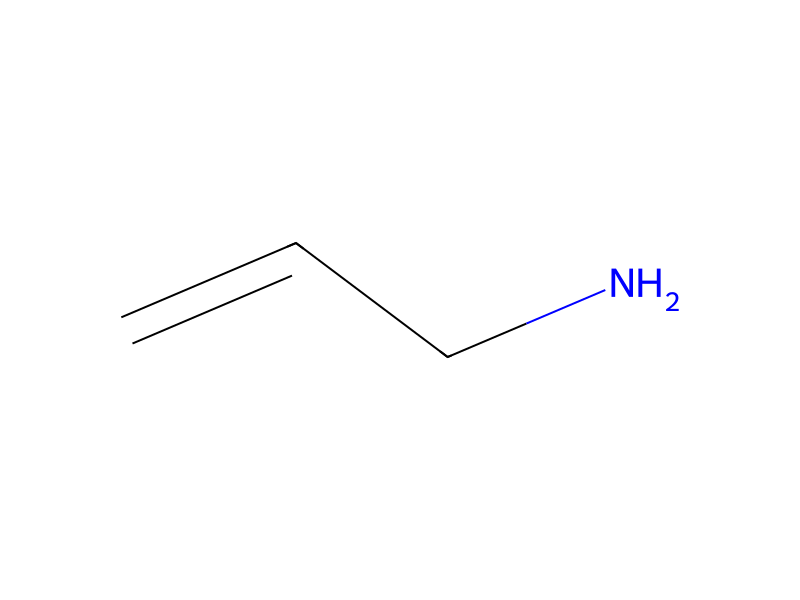
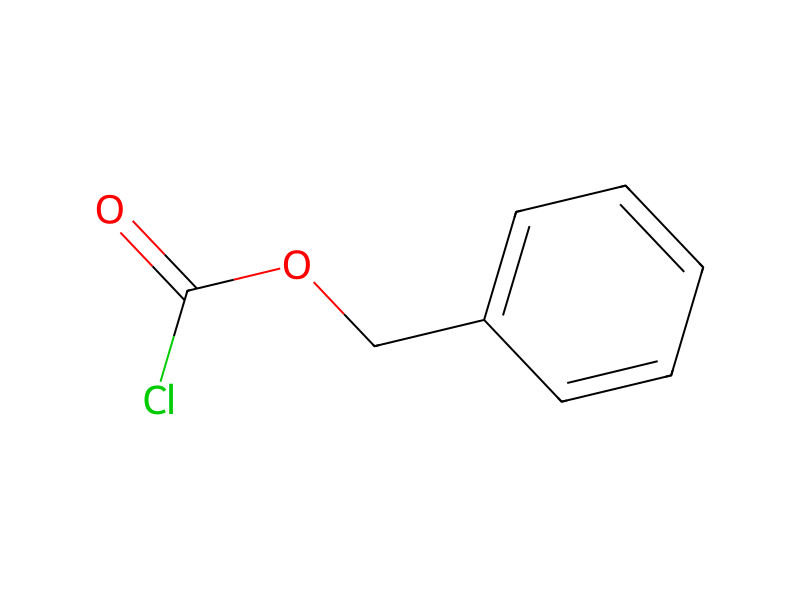
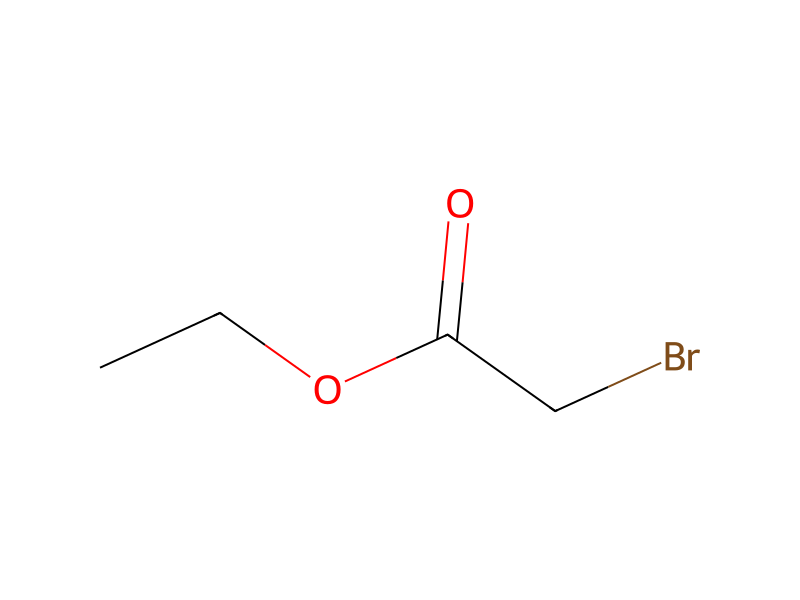
HCID 7748Ethyl bromoacetateHCID 7853AllylamineHCID 8471TriethylamineHCID 10387Benzyl chloroformateHCID 14798Sodium Hydroxide

Product 2

HCID 276CarbamateYield 217.9%
HCID 10975597
N-2-Propen-1-ylglycine ethyl ester

Reagents, catalysts & solvents 2

HCID 6344DichloromethaneSolventHCID 57417360Sodium chloride; waterSolvent

Conditions

Temperature
0 °C

Procedure

N-Allylglycine ethyl ester 54 was prepared as described above using ethyl bromoacetate (9 g, 53.9 mmol) and allylamine (6.15 g, 107.7 mmol). The crude product (7.054 g) that contained ˜30% of N-allyl-N-bis(2-carboethyoxyethyl)amine as judged by NMR, was dissolved in dichloromethane (50 cm3), cooled to 0° C. and triethylamine (6.53 g, 64.09 mmol) added. Benzylchloroformate (9.25 g, 54.2 mmol) was added dropwise over 10 min resulting in a white precipitate. After 2 h the mixture was stored overnight at 0° C., filtered and the filtrate concentrated in vacuo. The residue was subsequently suspended in dichloromethane, washed with 2M aqueous hydrochloric acid, dried (MgSO4) and the solvent removed to reveal an oil (13.65 g) containing the desired carbamate (70%) and benzyl alcohol (30%) as judged by NMR. This mixture was dissolved in dioxane/methanol (8:3, 110 cm3), 1M aqueous sodium hydroxide (40 cm3, 40 mmol) added and the solution stirred for 2 h at room temperature. Brine (50 cm3) was added and the aqueous layer extracted with diethyl ether. The aqueous layer was acidified with 32% hydrochloric acid and extracted with ethyl acetate. The combined organic layers were dried (MgSO4), concentrated in vacuo, and the residue purified by chromatography (silica gel, hexane:ethyl aceate:acetic acid, 3:1:0.4) to give acid 7 (7.05 g, 52%, 3 steps) as a colourless syrup. Acid 55 existed as a 1:1 mixture of carbamate rotamers: δH (400 MHz; CDCl3; Me4Si) 4.02-4.08 [4H, m, CH2(allyl), C2(Gly)], 5.17-5.24 (4H, m, OCH2Ph, ═CH2), 5.77-5.84 (1H, m, C(H)═CH2), 7.32-7.39 (m, 5H, Ph) and 8.45 (1H, br s, OH); δC (100 MHz; CDCl3) 47.1, 47.7 [CH2, CH2(Gly)], 50.5, 50.7 [CH2, CH2(allyl)], 67.6, 67.7 (CH2, OCH2Ph), 117.8, 118.3 (CH2, ═CH2), 127.7, 127.97, 128.01, 128.4, (CH, Ph), 132.7, 132.8 (CH, C(H)═CH2) 136.1 (quat., Ph), 155.8, 156.5, (quat., NCO2) and 174.7, 174.9 (quat., CO).

Workup

  1. customresulting in a white precipitate
  2. filtrationfiltered
  3. concentrationthe filtrate concentrated in vacuo
  4. washwashed with 2M aqueous hydrochloric acid
  5. dry with materialdried (MgSO4)
  6. customthe solvent removed
  7. additioncontaining the desired carbamate (70%) and benzyl alcohol (30%)
  8. dissolutionThis mixture was dissolved in dioxane/methanol (8:3, 110 cm3)
  9. extractionthe aqueous layer extracted with diethyl ether
  10. extractionextracted with ethyl acetate
  11. dry with materialThe combined organic layers were dried (MgSO4)
  12. concentrationconcentrated in vacuo
  13. customthe residue purified by chromatography (silica gel, hexane:ethyl aceate:acetic acid, 3:1:0.4)

Sources & evidence

ORD record
ord-235cc3e83dfc4484b306b2a3c85369dd
Source dataset
uspto-grants-2011_09
DOI
10.6084/m9.figshare.5104873.v1
Patent number
US08013170B2

Reaction notes

On this pageParticipantsConditionsProcedureWorkupSources & evidenceReaction notes